







read also
 Reform UK Reworks Its Offer to Wealthy Foreigners
 US Introduces Visa Bonds of Up to $20,000 for Tourists From 50 Countries
 Portugal Secures €1.5 Billion for Social Housing
 Mortgage Lending in Georgia Increased by Nearly 50%
 Irish Homes Are 17% Overvalued as Supply Lags
 Buses from Latvia to Russia and Belarus May Be Cancelled
Ohio Winter Storm Brings Travel Bans. How the storm unfolded
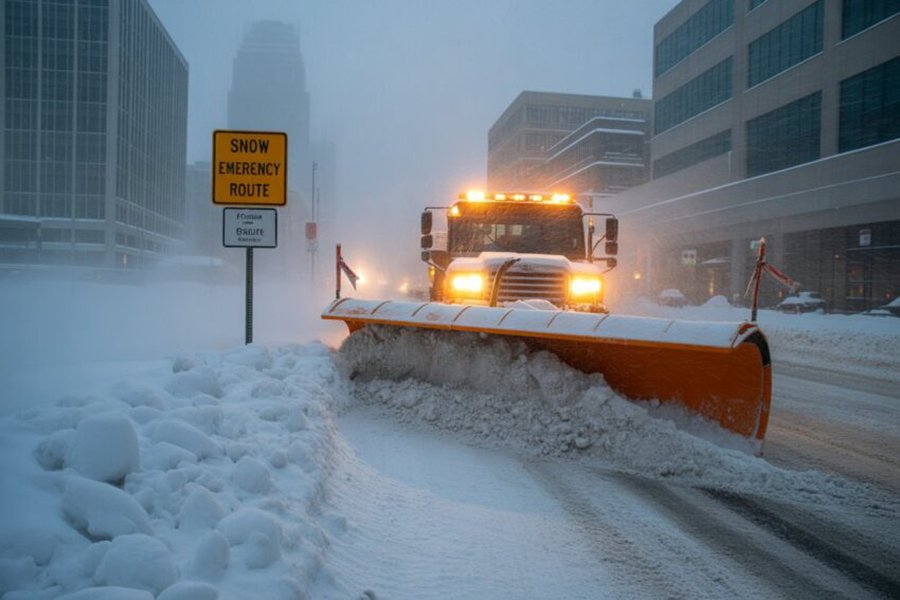
Photo: Travel and tour world
The winter storm that struck Ohio in mid-January 2026 became one of the most disruptive weather events of the season. Trouble began late Wednesday, January 14, when a fast-moving weather front shifted from rain to heavy, wind-driven snow. The preceding rainfall prevented road crews from pre-treating many highways, leaving surfaces slick and vulnerable to dangerous black ice conditions.
Lake-effect snow hits northeast Ohio
By Thursday morning, the National Weather Service had issued a Lake Effect Snow Warning for eight counties, including Cuyahoga, Geauga, Lake, and Summit. While some locations experienced modest snowfall, areas east of Cleveland and higher elevations within the region’s snow belt recorded accumulations of up to 15 inches, significantly impairing travel and visibility.
Understanding Ohio’s snow emergency levels
In Ohio, snow emergencies are declared by county sheriffs and categorized into three levels. During the January 2026 storm, all three levels were in effect across different parts of the state. Erie County faced the most severe conditions, escalating to a Level Three Snow Emergency that restricted all non-emergency travel, while several other counties operated under Level Two advisories urging residents to stay off the roads.
Cleveland enforces emergency parking bans
The city of Cleveland implemented a Snow Emergency Parking Ban on January 15 to prevent gridlock and allow snow removal operations to proceed efficiently. Vehicles were prohibited from parking along designated snow emergency routes, enabling the Ohio Department of Transportation to deploy nearly 950 crews statewide and clear major roads without obstruction.
Widespread school and business disruptions
The timing of the storm caused significant disruption across the region. More than 500 schools in Northeast and Northwest Ohio canceled classes, including major districts in Cleveland and Akron. Plunging temperatures compounded the risks, with wind chills dropping to as low as 2 degrees Fahrenheit, making outdoor exposure hazardous even for short periods.
Community response and operational resilience
Despite the severity of the conditions, communities across Ohio demonstrated resilience. Residents assisted neighbors with snow removal, and local businesses supported essential workers. Traffic monitoring platforms experienced record usage, while travel speeds on major highways such as Interstate 90 dropped sharply amid low visibility and ongoing snow clearance efforts.
Lingering risks after the snowfall
Although the heaviest snowfall tapered off by Thursday evening, hazards persisted. Refreezing on overpasses and drifting snow on open rural roads continued to pose risks. Authorities urged residents to check updated emergency levels with local sheriff offices before resuming travel.
As reported by International Investment experts, the January 2026 Ohio winter storm highlights the growing economic and operational impact of extreme weather events on U.S. regions. Travel bans, school closures, and infrastructure strain underscore the importance of resilience planning, climate-adaptive infrastructure, and real-time communication systems as weather volatility increasingly affects regional economies.