







read also
 China Nears a Decision on Fresh Stimulus
 Fines for Illegal Rentals in Spain Reach €800,000
 Australia’s Spring Auctions Rise but Remain Well Below 2025
 Number of Foreigners Holding Turkish Residence Permits Exceeds 1.27 Million
 Demand from Russian Tourists for Holidays in Georgia Rises by 20–25%
 Montenegro Property Buying Costs in 2026
What Spaniards Buy for Christmas: Fresh Produce and Sweets Lead the Holiday Basket
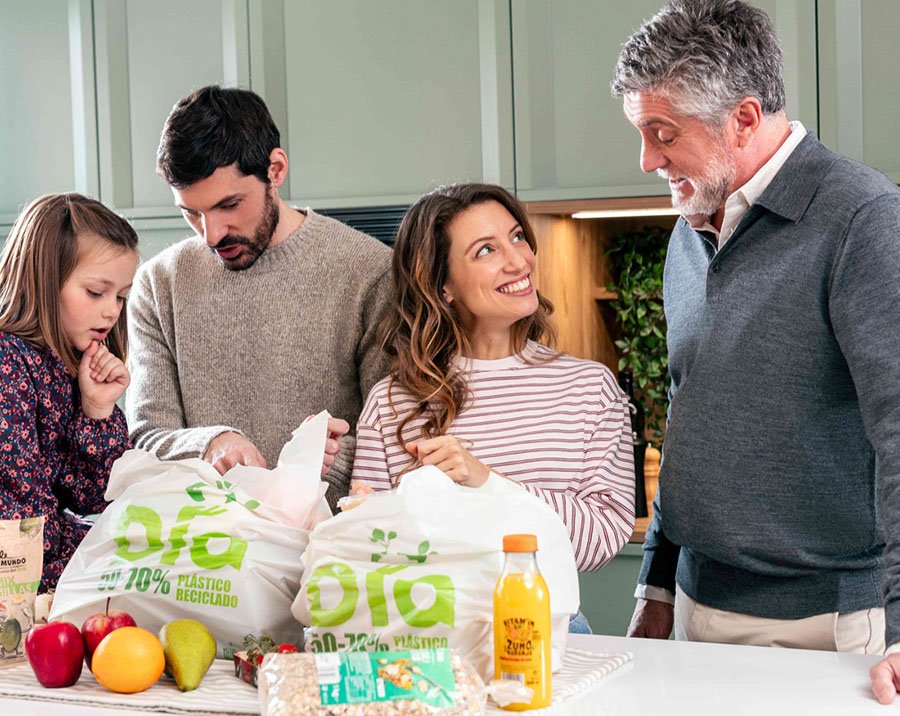
Photo: Dia España
Spanish families enter the Christmas season with their traditional focus on food — the element that shapes the atmosphere and largely determines December spending. New research from Dia (“Your Daily Wallet”), shows that the holiday basket once again revolves around fresh products and classic sweets, while consumers approach budgeting more cautiously than before.
The Holiday Basket
More than 70% of respondents consider fresh products essential for Christmas lunches and dinners, and the same percentage cannot imagine December without traditional holiday sweets such as turrón, polvorón and roscón. Preferences within the basket remain stable: fresh meat is chosen by 67.5% of those surveyed, seafood by 64.6%, drinks and wines by 50.5%, and fresh fish by 43.8%. It is the combination of fresh categories and iconic seasonal sweets that defines what ends up on holiday tables.
Spending Levels
Christmas remains one of the most expensive seasons of the year, and most families stick to their usual budget: 61.9% do not plan to change spending levels. A reduction is expected by 12.5%, while 6.5% are planning to increase their holiday food budget. In monetary terms, 38% intend to spend between €100 and €200, 33% — above €200, and 23.6% — between €50 and €100. Looking for discounts has become a standard part of preparation: 74.3% compare promotions and prices in advance, 17.8% pay attention to offers but do not consider them decisive, and only 7.8% rely mainly on their usual preferences.
Where and When Spaniards Shop
Around eight in ten Spaniards prefer to do their Christmas shopping at local supermarkets near their homes. They explain this choice by familiarity with the format, the ability to personally assess the freshness of products, and direct interaction with staff. Another 16.8% combine in-store visits with online orders. According to NielsenIQ, online grocery sales grew by 16.6% over the past year. This trend also affects Christmas shopping: part of the seasonal basket is increasingly shifting online, especially beverages, sweets and frozen products.
Holiday preparation is becoming more structured: 38% begin shopping more than two weeks before Christmas, and 40% distribute expenses across dates and categories. Christmas remains a home-based celebration: 77% plan to cook at home, while 21% will combine home-cooked dishes with restaurant purchases.
Rising Demand and Prices: Industry Data
Nationwide, demand for key fresh categories rises by 20–30% in December, while meat sales — especially lamb — can jump by up to 40% in specific weeks, according to ASEDAS, the Spanish Association of Distributors, Self-Service Stores and Supermarkets. Seafood also ranks among the most dynamic seasonal categories and typically sees one of the sharpest consumption increases ahead of the holidays.
The consumer organization OCU reports that prices for certain products rise particularly sharply ahead of Christmas: percebes become 78% more expensive, mollusks rise by 53%, and hake by 30%. On average, the cost of a typical Christmas food basket increases by 5–8% during the season. OCU highlights that the overall cost of the classic Christmas basket has grown by almost 50% since its first assessment in 2015. December remains one of the most expensive months to purchase fresh products and holiday sweets.
Tags: Spain, Christmas, food, retail, consumer trends, turrón, holiday spending, prices, supermarkets, NielsenIQ