







read also
 Asunción Property Market Accelerates as Construction Booms
 Egypt Expands Aviation for Tourism Growth
 Latvia’s Residence Permits for Real Estate to Be Abolished from September 15
 Egypt Prepares New Law for Property Developers
 Young Japanese Buyers Turn to 50-Year Mortgages
 Argentina Narrows Tourism Gap as Arrivals Rise
Subsidized Mortgages in Russia in 2026: Active Programs and Conditions
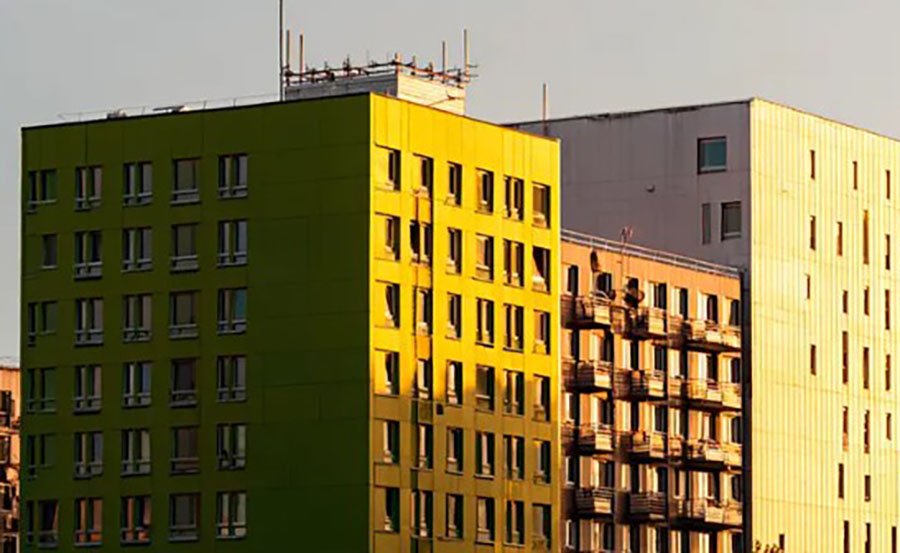
Photo: Sravni.ru
In 2026, subsidized mortgages in Russia will be represented by a limited set of mechanisms following the completion of the large-scale state-backed program, writes RBC. The closure of the universal format reduced the availability of lending for a broad range of buyers and shifted the focus toward targeted measures. The remaining instruments are aimed at specific categories of citizens and regions and operate under updated conditions.
The subsidized mortgage program was in effect from 2020 until July 1, 2024, with some credit institutions stopping the acceptance of applications earlier due to exhausted limits. The program allowed the purchase of housing at an annual rate of 8% with a minimum down payment of 20%. After its closure, 66% of Russians postponed transactions, focusing on accumulating their own funds. At the same time, some state-supported mortgage measures have been preserved and continue to operate in a modified format.
Family Mortgage
Family mortgages are available at an annual rate of 6% across all regions of Russia. The program has been extended until 2030. It is open to Russian citizens aged 18 to 75, including single parents, with children up to six years old, as well as to families raising a minor child with a disability. At the same time, the current rules provide for the possibility of obtaining a family mortgage without having children.
The maximum loan amount at the subsidized rate in Moscow, St. Petersburg, and the corresponding regions amounts to RUB 12 million, while for other regions it is RUB 6 million. If these limits are exceeded, a combined mortgage is applied: the subsidized rate is maintained only for the eligible portion of the loan, while the remaining amount is issued at market conditions. The down payment typically starts at 20%, and the loan term can reach up to 30 years.
From February 1, 2026, changes aimed at increasing the program’s targeting will come into force. The “one subsidized mortgage per family” rule will be introduced, and refinancing of the market-rate portion of a combined mortgage will become possible without losing the subsidized rate. At the same time, relevant authorities are discussing a transition to differentiated rates depending on the number of children, the region, and the type of settlement, although the final parameters of these changes have not yet been approved. There remains a risk that rates for certain borrower categories could rise to as much as 12%.
IT Mortgage
The subsidized IT mortgage program has been extended until 2030; however, its conditions were revised starting August 1, 2024. The program no longer applies in Moscow and St. Petersburg and is focused on specialists working in the regions. The interest rate on loans was increased from 5% to 6% per annum. The maximum loan amount under the program has been set at a single level of RUB 9 million. Previously, for regions with a population of more than 1 million, the limit was RUB 18 million, but under the updated format regional differentiation has been abolished.
A key eligibility requirement remains the borrower’s income level. For IT specialists working in cities with a population of over one million, as well as in the Moscow and Leningrad regions, the minimum income must be at least RUB 150,000 per month before personal income tax. For employees living in other cities and settlements, the threshold is set at RUB 90,000 per month.
Far Eastern and Arctic Mortgages
The Far Eastern mortgage program has been in effect since 2019 and is aimed at improving housing conditions in the regions of the Far Eastern Federal District. The Arctic mortgage, with similar parameters, was launched in 2023 and applies to Arctic territories. Under both programs, borrowers can obtain a mortgage loan at an annual rate of 2% for the purchase or construction of housing. The programs are valid until 2030.
Loans are provided for the acquisition of housing in designated regions. Initially, the programs were focused primarily on the primary market and individual housing construction. The preferential rate makes Far Eastern and Arctic mortgages among the most affordable state-supported mortgage instruments.
In December 2025, the conditions were expanded: the Ministry of Finance allowed the use of these preferential programs to purchase housing on the secondary market. This decision increased the flexibility of the programs and broadened the pool of potential borrowers, especially in settlements with a limited volume of new construction.
Rural Mortgage
The rural mortgage program has been in effect since 2020 and is designed for purchasing housing in small settlements. It offers an interest rate of up to 3% per annum and is aimed at supporting housing construction and improving living conditions outside major cities. In 2023, the program’s conditions were adjusted. The maximum loan amount was increased to RUB 6 million, and the loan term to up to 25 years.
The down payment starts at 20%, and the use of maternity capital funds is permitted. Rural mortgages can be used both to purchase ready housing and to build residential houses in designated settlements, remaining one of the most affordable state-supported mortgage instruments.
Military Mortgage
The military mortgage is a targeted mechanism for acquiring housing for servicemen, under which loan repayment is covered by the state during the period of service. The program operates within the accumulative mortgage system and allows participants to acquire housing without independently servicing the principal debt while in service.
Conditions vary depending on the bank and region. In standard options, rates for families with children start at approximately 5.8% per annum, while in Russia’s new regions offers are available at rates of around 2% per annum. Specific loan parameters are determined by the lending institution.
For certain categories, inclusion in the accumulative mortgage system is mandatory. Others may join on a voluntary basis by submitting a report.
Initiatives for New Subsidized Programs
In Russia, discussions continue regarding the launch of additional preferential mechanisms not directly related to adjusting existing programs. In particular, one initiative concerns extending preferential conditions to the secondary housing market nationwide without regional restrictions. It is expected that this would improve mortgage accessibility in cities with limited new construction and reduce demand’s dependence on the new-build market.
In addition, the launch of separate preferential programs for professional groups is being proposed, including healthcare, education, and science workers. These projects are considered in the context of workforce policy and targeted support for specialists, but their parameters and timelines have yet to be determined.
Analysts at International Investment note that the shift from a universal subsidized mortgage to a system of targeted programs reduces the burden on the budget while simultaneously narrowing access to borrowed funds for mass buyers. High household indebtedness and a persistently heavy debt burden continue to restrain demand recovery even amid a decline in the Bank of Russia’s key rate. At the same time, monetary easing does not lead to a significant improvement in mortgage conditions, as banks continue to factor in elevated risks. Against the backdrop of ongoing geopolitical uncertainty, this means that in 2026 the housing market will develop under conditions of limited mortgage availability, with compliance with specific program and bank requirements remaining the key factors for borrowers.