







read also
 Fines for Illegal Rentals in Spain Reach €800,000
 Australia’s Spring Auctions Rise but Remain Well Below 2025
 Number of Foreigners Holding Turkish Residence Permits Exceeds 1.27 Million
 Demand from Russian Tourists for Holidays in Georgia Rises by 20–25%
 Montenegro Property Buying Costs in 2026
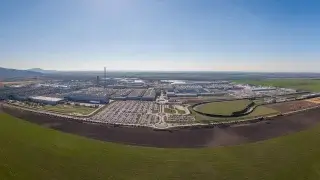 Four in Ten Companies Would Not Choose Slovakia
Calgary Approves 2026 Property Tax Rise

Photo: Unsplash
In early December 2025, Calgary City Council approved its 2026 budget following eight days of hearings and debate over dozens of amendments. The vote marked the first major fiscal test for the newly elected council and resulted in a compromise aimed at limiting tax increases while maintaining funding for core municipal services.
Property tax increase cut to 1.6 percent
Council ultimately agreed to reduce the proposed property tax increase from 3.6% to 1.6%. For the average homeowner, this translates into an increase of roughly $4.50 per month, while typical utility costs are expected to rise by about 3.9%. The lower tax hike was achieved in part by reallocating investment income into the city’s operating budget, a move described as temporary rather than structural.
Business tax shift reversed
Another key decision was the reversal of a previously approved plan to shift part of the tax burden from businesses to residential property owners. Council unanimously scrapped the one-percentage-point shift, opting instead for a gradual rebalancing between residential and non-residential property taxes starting in 2027. Business groups warned that the reversal could weaken Calgary’s competitiveness compared with other major Canadian cities and nearby municipalities.
Higher transit fares with free zone preserved
The 2026 budget includes higher public transit fares, with adult single fares rising to $4 and monthly passes increasing to $126. Despite proposals to eliminate Calgary’s downtown free fare zone on the CTrain, council voted narrowly to retain it, citing concerns about passenger confusion and limited short-term benefits for safety.
Spending on transit and safety measures
Alongside fare increases, council approved additional funding to improve transit frequency, particularly on bus routes, and allocated one-time funding to address safety concerns across the transit system. These measures follow reports of rising incidents on public transit and the early withdrawal of private sponsorship for the free fare zone.
Cuts to environmental programs and other allocations
Council also voted to reduce funding for certain climate and environmental initiatives, a decision that drew criticism from members who argued such investments deliver long-term cost savings. Other budget adjustments included reduced funding for downtown office-to-residential conversions, increased spending on pedestrian safety, and allocations for community facilities such as a new YMCA and library project.
A cautious fiscal compromise
Overall, Calgary’s 2026 budget reflects a cautious approach that limits immediate tax increases while relying on temporary revenue sources and selective spending cuts. City leaders have acknowledged that more sustainable solutions will be required in future budgets as economic conditions and population growth continue to shape municipal finances.
According to International Investment experts, Calgary’s 2026 budget signals fiscal restraint paired with short-term revenue measures, a combination that property investors and businesses will be watching closely as the city balances affordability, competitiveness and long-term growth.