







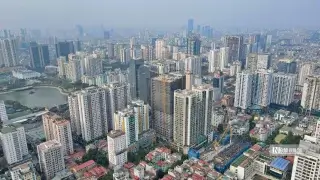
 Vietnam Mortgage Surge Pushes Homes Out of Reach
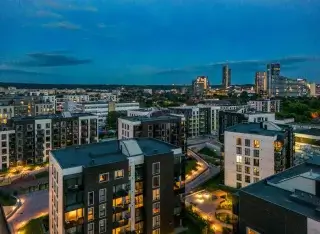 Lithuanian Apartment Prices Accelerate Across Major Cities
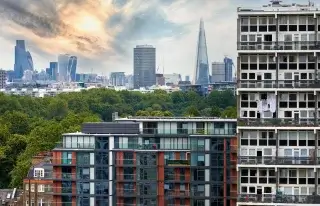 London Flats Lose Value Ahead of Leasehold Reform
 Construction of the Batumi–Sarpi Highway Begins in Georgia
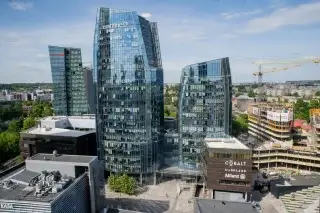 Baltic Property Investment Accelerates in 2026
 Hong Kong and Singapore Renew Their Expat Rivalry
Foreign Buyers Leaving Turkey’s Real Estate Market: Home Sales Down 20%
Real estate activity in Turkey in March 2026 was supported by mortgage transactions and the primary housing segment. At the same time, interest from foreign buyers continued to decline. The Turkish Statistical Institute (TÜİK) also reported an overall decrease in housing sales.
Overall Housing Market Dynamics in Turkey
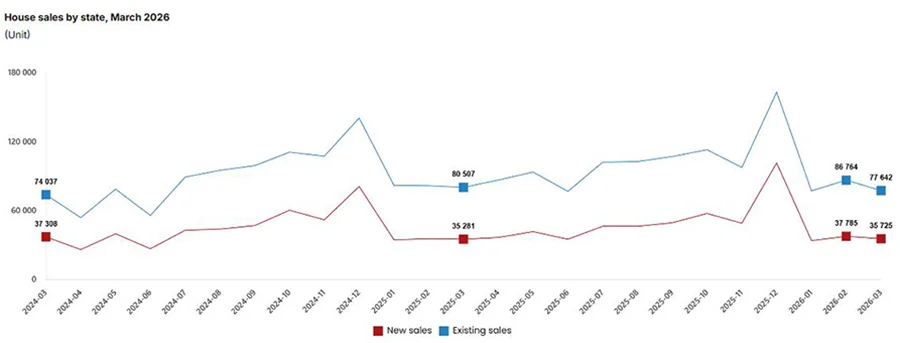
In March 2026, a total of 113,367 residential properties were sold in Turkey, down 2.1% compared to the same month in 2025. New home sales increased by 1.3% to 35,725 units. In contrast, the secondary market declined by 3.6% to 77,642 transactions. As a result, the structure of the market continued to be dominated by existing housing, which accounted for 68.5% of all transactions, while new homes made up 31.5%.
Mortgage Segment and Transaction Structure in Turkey
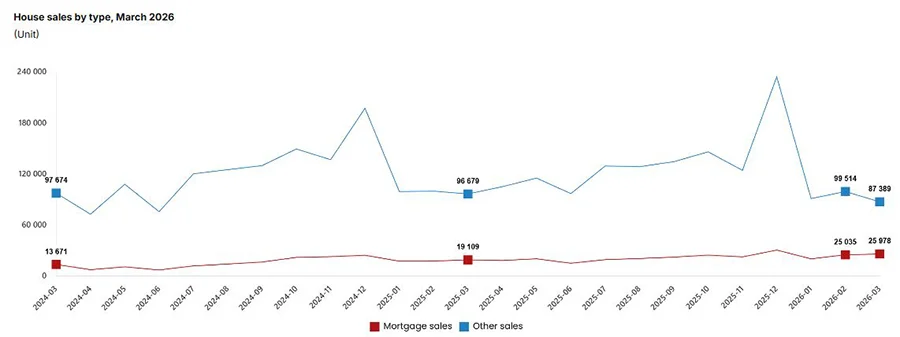
Against the backdrop of an overall market decline, mortgage transactions gained a stronger role. In March 2026, 25,978 home sales were completed using credit financing, an increase of 35.9% compared to the previous year. This growth helped limit a sharper contraction in the market, although mortgage deals still accounted for only 22.9% of total transactions.
Non-mortgage transactions remained dominant at 77.1%, but declined to 87,389 deals, down 9.6% year-on-year.
Commercial Real Estate in Turkey
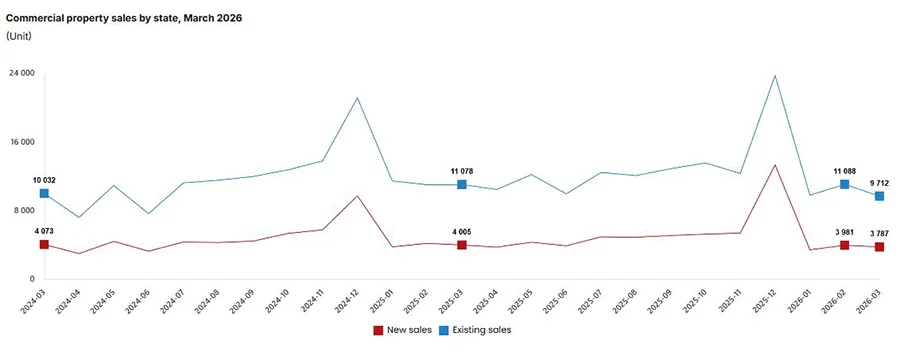
The commercial real estate segment also recorded negative performance in March 2026. Total transactions fell to 13,499, a decrease of 10.5%. New commercial property sales declined by 5.4% to 3,787 units, while the secondary segment dropped more sharply to 9,712 transactions, down 12.3%.
At the same time, mortgage-backed commercial deals increased by 60.1% to 698 transactions. Other sales fell to 12,801, down 12.6% year-on-year.
Foreign Buyers in Turkey’s Property Market
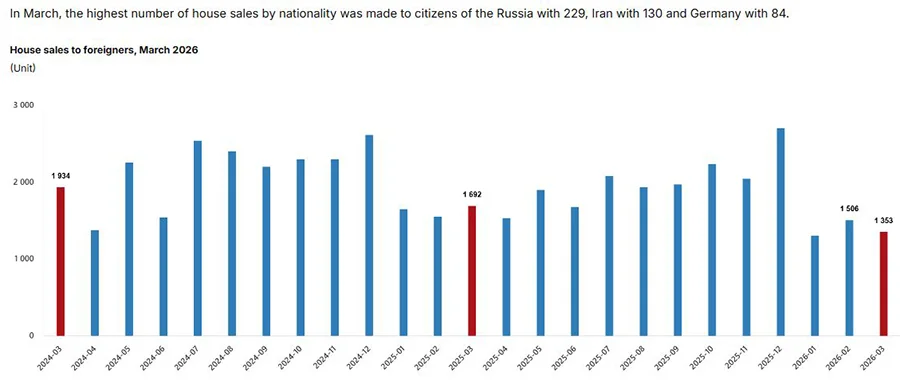
The number of transactions involving foreign buyers continues to decline. In March 2026, non-residents purchased 1,353 properties, a 20% decrease compared to the same month in 2025. Their share of the total market stood at 1.2%.
From January to March, the decline was even more pronounced, with foreign purchases falling by 14.9% to 4,165 units. The most active buyers were citizens of Russia (229), Iran (130), and Germany (84).
Three-Year Downward Trend in Foreign Demand
TurkStat data shows that foreign property purchases in Turkey have been declining for four consecutive years. This followed a previous boom linked to the Reciprocity Law introduced in 2012, which initially triggered strong demand. The peak was reached in 2022, when 67,490 properties were sold to foreign buyers, after which the figures declined sharply.
By 2025, foreign sales had dropped by 9.4% compared to 2023, reaching 21,534 units — the lowest level in nine years. The share of foreign buyers fell to 1.3%, compared with a peak of 4.5% in 2022.
Investment Outlook: 30-Year Payback Period
Bayram Tekçe, Chairman of the Board of the Association of Real Estate Service Exporters (GIGDER), said the decline in foreign demand over the past three years is mainly linked to rapid price growth and slower residence permit procedures. In some regions, the payback period for real estate investments has extended to 30 years or more, significantly reducing Turkey’s competitiveness.
He noted that Turkey has lost its price advantage, while international investors are shifting to markets where returns are achieved faster. Tekçe also pointed to the lack of investor visa programs and administrative barriers, calling for simplified procedures and alternative residency schemes.
Mustafa Kemal Şahin, Chairman of the Association of Real Estate Marketing and Sales Professionals (GAPAS), emphasized the need for centralized management of foreign investment processes and simplified land registry, tax, and residency procedures.
Conclusion
Analysts from International Investment note that Turkey’s real estate market has become less attractive to foreign investors due to stricter residency and citizenship rules, as well as high inflation. While nominal returns in lira may appear positive, dollar-denominated returns remain negative, weakening long-term investment appeal.
The impact of devastating earthquakes has also influenced market perception, as experts identified widespread non-compliance with construction standards, increasing buyer caution.
March 2026 reflects ongoing trends: growth in mortgage transactions and relative stability in the primary market were not enough to offset declines in the secondary segment and falling foreign demand. As a result, total sales remained below the level recorded in the same period last year.