









Bulgaria’s real estate market: transaction growth covers 73% of cities
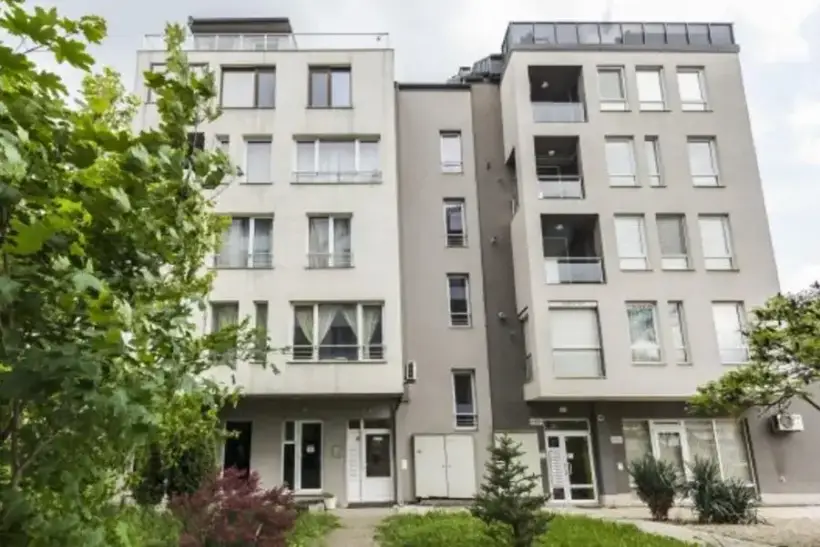
In most settlements across Bulgaria, an increase in real estate transactions was recorded in 2025. Activity grew in 73% of cities, according to Investor.bg, citing data from the country’s Registry Agency. Analysts included transactions involving residential properties, offices, shops, warehouses, and agricultural land.
Real estate sales dynamics in Bulgaria
Among six major regions, only Sofia and the Plovdiv region recorded double-digit growth in real estate transactions, at 11% and 10.3% respectively.
The highest percentage increases were recorded in smaller settlements with relatively low transaction volumes: Trun saw a 62.4% rise with 229 deals, Ardino 50.4% (167), Chepelare 30.7% (524), Tsarevo 28% (1500), and Galabovo 27.8% (358).
Negative dynamics affected a smaller share of territories: 31 out of 113 settlements reported a decline. The leader in this segment was Lukovit, down 24.3% with 408 transactions. In Tryavna, the number of deals fell by 19.5% to 251. Declines were also observed in Karnobat (–14.2% and 1605 sales), Malko Tarnovo (–13.8% and 169), and Tervel (–13.4% and 535). In larger cities, the decline was more moderate: Yambol –4.7%, Sliven and Silistra around –2%.
Resorts and suburban areas of Bulgaria
Resort regions and areas around major cities continue to show steady growth. Nessebar recorded 8930 transactions, up 2.7% year-on-year. The statistics also include data for Sunny Beach.
Burgas maintains comparable activity, competing for the position of one of the country’s largest markets. Balchik increased by 9.7% to 1317 transactions, Kavarna by 13.7% to 1067. Pomorie registered 2107 deals (+3.2%).
Mountain and tourist regions also showed growth. In Razlog, which includes the Bansko market, 3318 transactions were recorded (+11.6%). Samokov (Borovets) reached 1057 (+5.6%). Smolyan (Pamporovo) recorded 1089 deals (+5.1%). The strongest growth was in Velingrad — 1313 transactions (+22.4%).
Regions around Sofia and major provinces
Suburban areas of the capital remain among the market drivers. In Pernik, transactions increased by 16% to 2606. In Elin Pelin, 1343 deals were recorded, up nearly 8%.
Among major provinces, Blagoevgrad rose by 13% and Haskovo by 10.3%. Kardzhali showed a slight decline of 0.6% to 2291.
Veliko Tarnovo grew by 1.2% to 3158 transactions. Pleven recorded 3956 deals, up nearly 7%. Pazardzhik increased by 7.2% (3592), and Shumen by 5.2% (2608).
Experts note that the first months of 2025 were marked by high activity on Bulgaria’s housing market, which began to gradually slow toward the end of summer. At the same time, transaction volumes remain significant, while prices continue to rise into 2026.
Outlook for Bulgaria’s real estate market
Real estate expert Gergana Tenejdieva notes that after measures introduced by the Bulgarian National Bank, some clients have become more cautious when purchasing property. This mainly concerns buyers without sufficient down payments and those with unstable incomes. The number of transactions involving multiple loans, including consumer credit, has also declined, leading to longer deal completion times.
A similar reaction was observed in other European countries following the adoption of the euro. According to experts, the effect on Bulgaria’s market is expected to last about two years, after which supply and demand should stabilize. In 2026, the most active buyers are expected to be those with clearly defined requirements and a readiness to make faster purchasing decisions. Deals between such buyers, sellers needing quick liquidity, and investors exiting redevelopment projects may result in price discounts of 5–8%.
A general decline in housing prices is not expected. Corrections are likely mainly in lower-quality properties. Key market drivers will remain inflation, income levels, and transaction volumes. Foreign investors are expected to base decisions on the country’s economic situation, with no major structural changes anticipated in this segment.