







 How Ukraine’s New-Build Housing Market Has Changed Over Four Years
 European Prime Rents Rise as Property Yields Turn Higher
 The Most Expensive Airlines in Europe in 2026
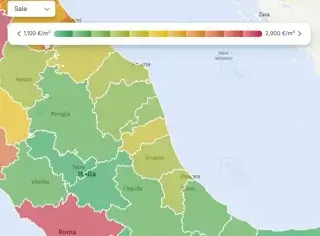 Housing Prices in Italy Reach a Two-Year High
 Travellers Increasingly Choose Cooler Scandinavia
 Serbia Property Sales Decline as Transaction Value Rises
Air conditioning increases housing prices in Italy by almost 60%
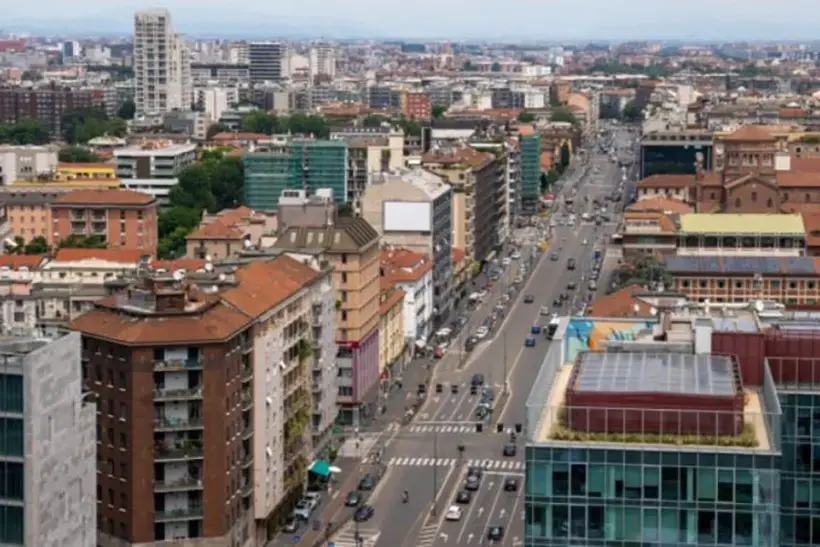
Air conditioning has become a significant factor in the Italian real estate market. Properties equipped with it sell for almost 60% more than comparable homes without cooling systems, according to idealista. The trend is strengthening due to summer heat waves, which are once again reaching record levels.
The share of apartments with air conditioning listed for sale in Italy increased over the past two years from 31% to 41%. In the rental segment, it rose from 40% to 52%. Apartments with air conditioning sell for an average of €2,366 per square meter, compared to €1,526 for those without, with a price gap reaching 58%. In the rental market, the difference is 22%, with rates of €17.1 and €13.8 per square meter respectively.
Capitals: Milan and Florence lead the market
Among Italy’s 14 major metropolitan areas, Milan records the highest share of homes with air conditioning on the sales market, at 67% of listings. It is followed by Florence (60%), Cagliari (59%), Bologna (57%), Bari (56%), Venice (55%), Rome (54%), and Naples (50%).
Lower shares are recorded in Palermo (43%), Catania (42%), Messina (38%), Reggio Calabria (36%), and Turin (35%). Genoa ranks last, where only 30% of listed properties are equipped with air conditioning.
The largest price gap is recorded in Turin, where homes with air conditioning are 53% more expensive. It is followed by Genoa (41%), Messina (34%), Reggio Calabria (26%), and Palermo (22%). In Milan and Catania, the difference stands at 18%, in Bologna at 17%. In Bari and Naples it is 15%, in Florence 14%, in Venice 13%, in Rome 12%, and in Cagliari 10%.
Rental housing in Italy: the South and islands lead
In the rental segment, the highest share of homes with air conditioning is recorded in southern regions and on the islands. Cagliari leads with 80% of listings equipped with cooling systems. It is followed by Palermo (73%), Catania (68%), Bari (65%), Florence (63%), Milan (62%), and Naples (61%).
In Reggio Calabria, 60% of rental homes are equipped with air conditioning, followed by Rome (58%), Venice (57%), and Messina (56%). Bologna stands at 50%, Genoa at 40%, and Turin at 37%.
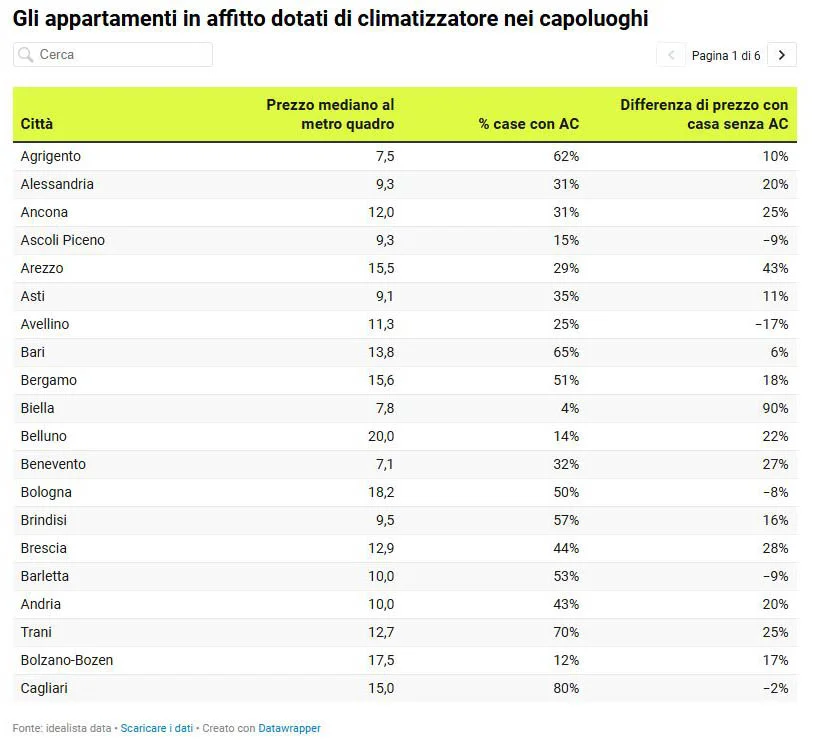
The largest rental price gaps between properties with and without air conditioning are recorded in Venice (25%) and Turin (24%). Significant differences are also observed in Genoa (18%) and Rome (14%). Further gaps appear in Florence (12%), Palermo (11%), and Naples (10%). In Reggio Calabria, homes with air conditioning rent for about 9% more than those without. The difference is 6% in Bari and 4% in Milan, while in Catania rents are almost identical. In Cagliari, properties with air conditioning are on average 2% cheaper than similar homes without it. In Bologna the gap reaches 8%, and in Messina 13%, in favor of properties without cooling systems.
Administrative centres: from Treviso to Belluno
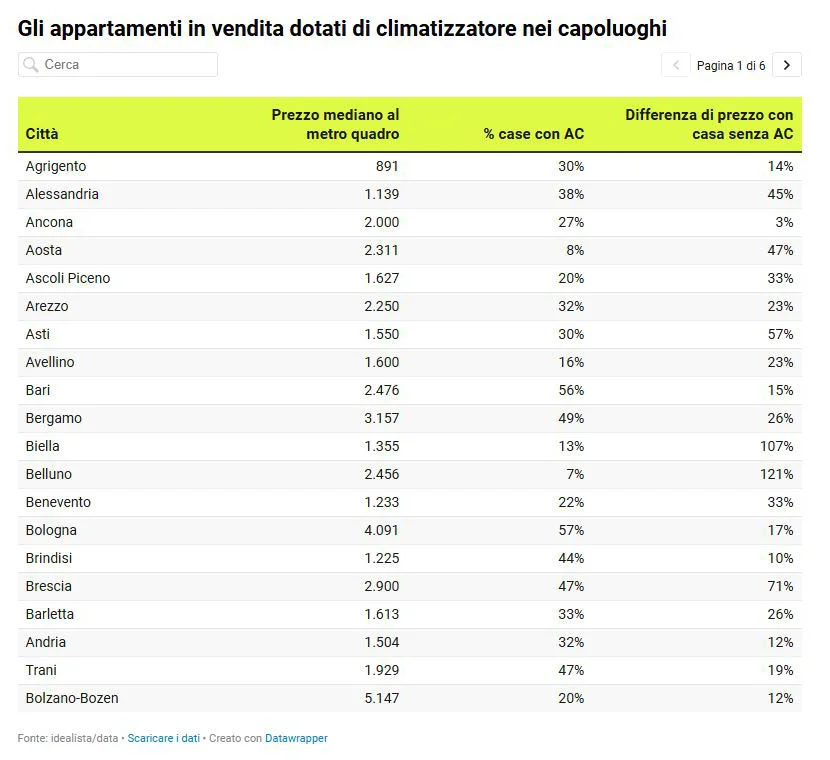
Outside the 14 major metropolitan areas, the highest share of homes with air conditioning for sale is recorded in Treviso (77%). It is followed by Cremona (73%), Parma and Padua (70% each). Monza, Verona, Ferrara, and Modena all stand at 67%, while Pordenone reaches 66% and Mantua 64%. Vicenza and Rovigo each record 63%, while Rimini, Ravenna, and Lodi stand at 61%.
The lowest values are recorded in Avellino (16%), Rieti and Enna (14% each), Biella (13%), and Cuneo (12%). The minimum levels are found in Isernia and Campobasso (10% each), Potenza and Urbino (9% each), Aosta (8%), and Belluno (7%).
Among these cities, the most significant price gap between properties with and without air conditioning is recorded in Vicenza (56%). It is followed by Monza (41%), Cremona (38%), Lodi (32%), and Pordenone (29%).
In colder cities, where air conditioning remains rare, the presence of such systems has a particularly strong impact on prices. In Cuneo, homes with air conditioning cost twice as much as comparable properties without it. In Campobasso and Aosta the difference reaches 47%, while in Isernia it stands at 42%.
Conclusion
Analysts at International Investment note that heatwaves in Europe are no longer occasional events but are becoming a structural climate factor. Between June 21 and 28, around 1,300 excess deaths were recorded due to extreme temperatures, exceeding normal levels. At the same time, Europe is warming at twice the global average rate. Scientists increasingly refer to a climate crisis and the need to accelerate the phase-out of coal, oil, and gas.
Climate change is already directly affecting the real estate market, increasing requirements for housing quality and its ability to adapt to temperature fluctuations — retaining heat in winter and ensuring cooling during hot periods.
Modern housing with updated systems and cooling infrastructure is already in higher demand compared to older stock. These trends are expected to strengthen further. For investors, this implies additional renovation costs, but in the long term such assets may generate higher returns.