







read also
 Vietnam Mortgage Surge Pushes Homes Out of Reach
 Lithuanian Apartment Prices Accelerate Across Major Cities
 London Flats Lose Value Ahead of Leasehold Reform
 Construction of the Batumi–Sarpi Highway Begins in Georgia
 Baltic Property Investment Accelerates in 2026
 Hong Kong and Singapore Renew Their Expat Rivalry
Highland Tourist Tax Put on Hold. Council pauses visitor levy plans
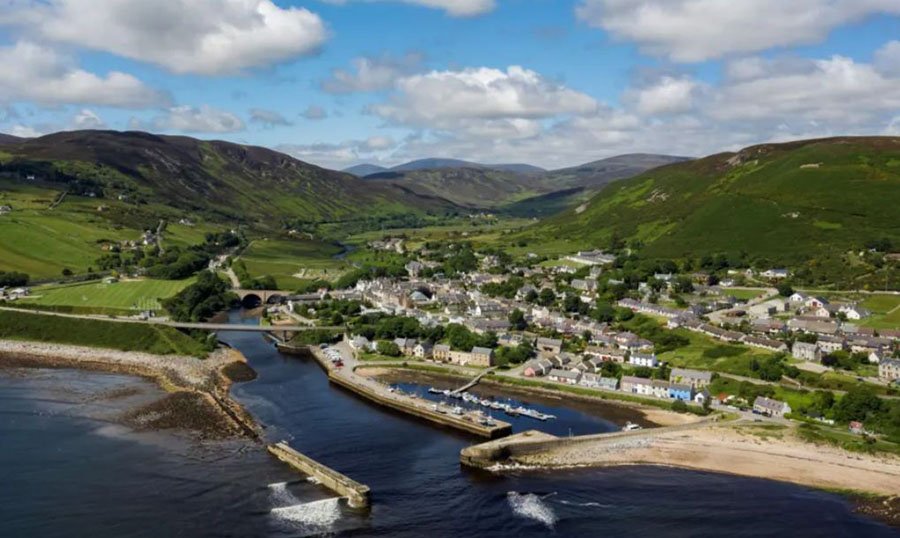
Photo: BBC
Highland Council has decided to pause plans to introduce a tourist tax on overnight accommodation, following an announcement by the Scottish government that it intends to grant local authorities greater flexibility over such levies. The council had previously consulted on a 5 % visitor levy, which it estimated could generate at least £10 million per year for the region.
The proposal formed part of a broader debate on how to fund infrastructure and services in areas heavily affected by tourism, but it also triggered strong responses from accommodation providers and business groups.
Industry concerns and consultation feedback
More than 4,000 responses were submitted to the council’s consultation, which closed in March. Accommodation providers raised what officials described as “considerable” concerns about a percentage-based tax, warning that it could undermine the region’s competitiveness and increase costs for visitors.
Chambers of commerce representing Cairngorm, Caithness, Lochaber and Inverness also voiced objections, arguing that higher accommodation costs could deter tourists from visiting the Highlands. Against this backdrop, councillors unanimously supported a recommendation to wait for further details on the Scottish government’s planned powers before proceeding.
Potential changes to local tax powers
The Scottish government has indicated that councils may soon be able to choose between a single flat-rate levy or a range of fixed charges tailored to different purposes or areas. Such flexibility could allow local authorities to move away from percentage-based models and adopt clearer, more predictable charging structures.
These new powers could be introduced as early as next year. Under the current framework, councils are permitted to impose a levy on overnight accommodation, with hotels, B&Bs and short-term rental operators responsible for collecting the charge from visitors.
Social debate and policy trade-offs
Reactions to the pause have been mixed. The Association of Scotland’s Self-Caterers described the delay as a “sensible and constructive” decision that allows time for further clarity. By contrast, tenants’ union Living Rent criticised the council, arguing that revenue from a tourist tax could have supported essential local services and efforts to address homelessness.
The debate highlights the broader tension between supporting tourism-dependent economies, protecting local communities, and ensuring sustainable funding for public services in high-demand destinations.
As reported by International Investment experts, Highland Council’s decision underscores the regulatory uncertainty surrounding tourist taxes in Scotland. For investors and hospitality operators, the pause signals that fiscal conditions remain fluid, with final levy structures likely to depend on forthcoming national legislation rather than immediate local action.