







read also
 Vietnam Mortgage Surge Pushes Homes Out of Reach
 Lithuanian Apartment Prices Accelerate Across Major Cities
 London Flats Lose Value Ahead of Leasehold Reform
 Construction of the Batumi–Sarpi Highway Begins in Georgia
 Baltic Property Investment Accelerates in 2026
 Hong Kong and Singapore Renew Their Expat Rivalry
Winter storm hits southern United States
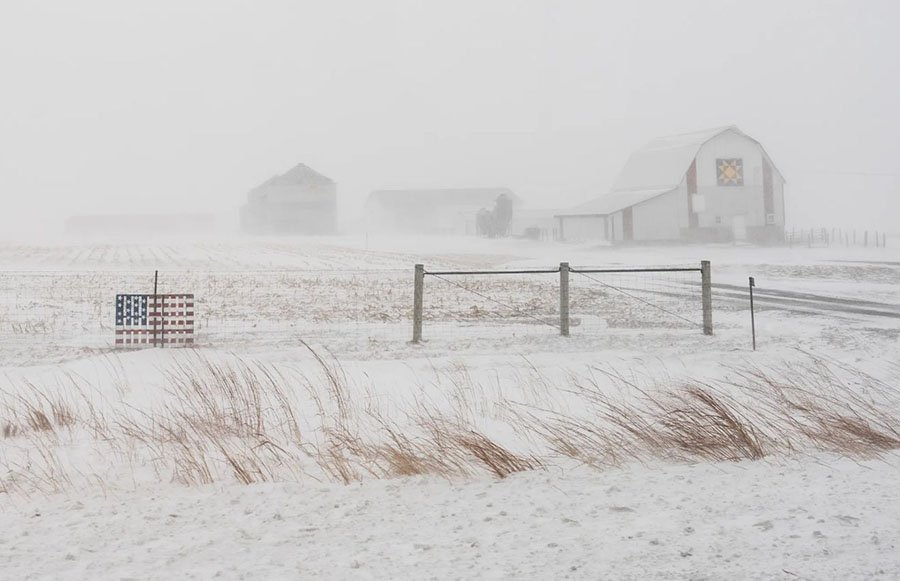
Photo: Global news
A high-impact winter storm is set to affect the southern United States between January 23 and January 25, 2026, impacting Texas, Louisiana, Alabama, Georgia, North Carolina and parts of northern Mexico. According to the National Weather Service and NOAA, the system is expected to bring widespread freezing rain, ice accumulation and severe travel disruptions. Meteorologists warn that the interaction between Arctic air and Gulf moisture will create particularly hazardous conditions for roads, airports and power infrastructure.
What is driving the storm
The event is being caused by a dense Arctic air mass pushing southward and colliding with a moisture-rich low-pressure system from the Gulf of Mexico. The NOAA Weather Prediction Center notes that cold air trapped near the surface, combined with warmer air aloft, favors prolonged periods of freezing rain rather than snowfall. In cities such as Dallas and Atlanta, temperatures are forecast to drop sharply within hours, a classic hallmark of a “blue norther.”
Transportation corridors at risk
The storm poses significant risks to major interstate corridors linking Texas to the southeastern states. Ice accumulation along routes connecting Dallas, Shreveport, Birmingham and Atlanta may render travel extremely dangerous or impossible. Even southern highways are expected to experience black ice, prompting officials to advise completing essential travel before Friday evening.
Aviation disruptions expected
Severe disruptions are anticipated at key aviation hubs, including Dallas/Fort Worth International Airport, Atlanta’s Hartsfield-Jackson and Charlotte Douglas International Airport. Ice accumulation on runways and aircraft is likely to trigger ground stops, cancellations and extended delays. Freezing rain remains one of the most challenging weather conditions for airport operations due to the intensive de-icing required.
Infrastructure and power outage risks
Ice remains the primary threat associated with this storm. Even moderate ice accumulation can place extreme stress on power lines and trees, increasing the likelihood of widespread outages. Parts of Alabama and Georgia face an elevated risk of heavier icing, which could complicate restoration efforts and disrupt essential services.
Current alerts and official warnings
As of January 21, 2026, winter storm watches and special weather statements have already been issued across several affected regions. Authorities caution that these alerts may escalate to full winter storm or ice storm warnings as the system approaches, particularly across northern Texas, Louisiana, Alabama and Georgia.
As International Investment experts report, this winter storm highlights growing climate-related vulnerabilities in regions traditionally unaccustomed to severe winter weather. The expected disruptions underscore the need for improved resilience in transportation and energy systems, as extreme weather increasingly becomes a material risk for regional economies and investment planning.