











Luxury Travel Market to Surpass $2 Trillion by 2035

Global Luxury Travel Market Set to Double by 2035
The global luxury travel market is projected to more than double over the next decade, reaching $2.15 trillion by 2035, according to research by Allied Market Research. The study estimates a compound annual growth rate of 7.4% between 2024 and 2035, compared with a market value of $890.8 billion in 2023.
Expansion is being driven by a rising number of high-net-worth individuals, increasing life expectancy and growing demand for bespoke, experience-led travel. Luxury tourism is increasingly viewed as a lifestyle choice rather than a discretionary purchase.
Travellers Aged 50+ Lead Demand Growth
Travellers aged 50 and above are expected to represent the fastest-growing segment of the market. The report links this trend to accumulated wealth, greater discretionary time and a shift in spending priorities toward premium travel experiences among retirees and near-retirees.
This demographic is driving demand for curated itineraries, cultural immersion, gastronomic tourism and extended high-end stays. As a result, operators are adjusting offerings to cater to a more mature and financially established audience.
Europe Retains Dominant Market Position
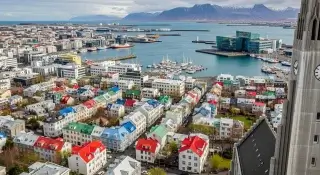
Europe remains the largest regional luxury travel market. Its position is supported by established tourism infrastructure, cultural heritage and strong demand for premium experiences in destinations such as Paris, Rome and London.
The region also benefits from proximity to affluent source markets in North America, the Middle East and Asia. Europe’s reputation for history, gastronomy, fashion and major cultural events reinforces its leadership in the high-end travel segment.
Adventure Travel and Absolute Luxury Drive Structure
By travel type, adventure and safari trips accounted for the largest share of the luxury travel market in 2023, highlighting a shift among affluent travellers toward destination-led and experiential tourism rather than traditional resort-based stays.
At the top tier, the absolute luxury segment, encompassing private aviation, yachts and fully bespoke itineraries, was identified as both the largest and fastest-growing category. Demand in this segment is largely fuelled by ultra-high-net-worth individuals prioritising privacy, flexibility and exclusivity.
Technology Reshapes Premium Tourism
The research also notes increasing adoption of technology across the luxury travel sector. Providers are investing in digital personalisation tools, data analytics and immersive planning platforms to differentiate offerings in a competitive environment.
As International Investment experts note, the projected expansion of the luxury travel market reflects a broader structural shift in global wealth consumption patterns, where mobility and curated experiences are becoming central components of long-term lifestyle strategy, particularly among older affluent travellers.