









45 People Arrested in Abu Dhabi for Filming Attacks from Iran
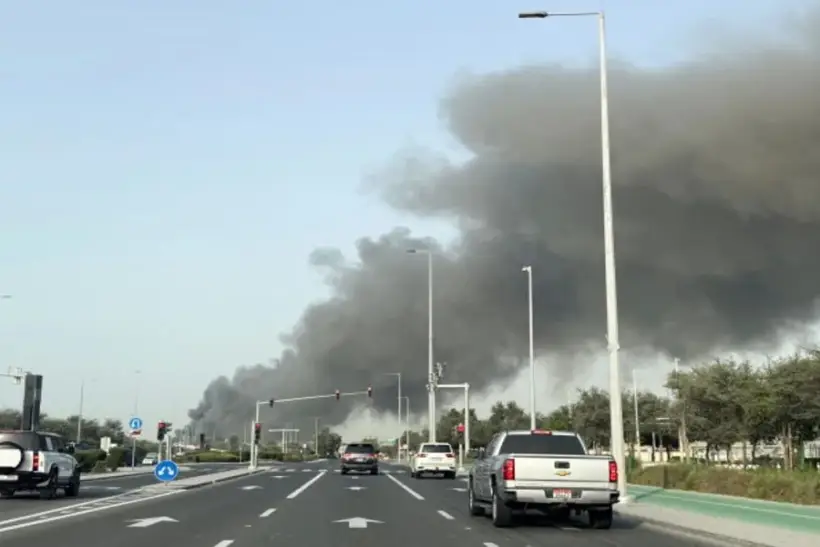
The UAE authorities are restricting the spread of information about events in the country. In Abu Dhabi, police detained 45 people, including foreigners, for filming Iranian attacks, reports The Express Tribune. Earlier reports mentioned arrests in Dubai. The Emirates are trying to maintain a stable outward image despite the escalating situation in the Middle East.
Reasons for Detentions in Abu Dhabi
The Abu Dhabi Police Criminal Investigation Department confirmed the arrests. In an official statement, the department said the detainees — citizens of several countries — are accused of violating public safety and cyberspace laws.
“The detainees filmed various locations during ongoing events and posted them on social media platforms,” the police said. Authorities emphasized that these actions are classified as “spreading inaccurate and misleading information that can influence public opinion and contribute to the spread of rumors.”
UAE authorities have not disclosed the nationalities of those arrested and say police actions aim to prevent panic. Dozens of videos recorded by eyewitnesses have already appeared online, showing thick black smoke rising over Zayed Port in Abu Dhabi.
Arrests of Tourists in Dubai
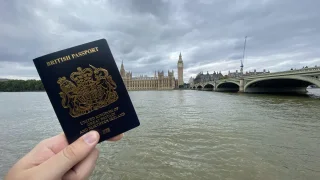
In Dubai, more than 20 foreigners were detained for filming attacks and posting the footage on social media. Among them was a 60-year-old British citizen, whose phone contained video of an attack. He deleted the recording and stated he did not intend to break the law, but this did not prevent the investigation from proceeding.
Cases are being handled under UAE cybercrime legislation, which regulates the dissemination of information related to public safety. Lawyers note that the wording of the charges remains broad and does not specify which actions constitute violations.
The law provides for fines ranging from 20,000 to 200,000 dirhams (approximately $5,500–$54,500), imprisonment for up to two years, and possible deportation. Minister of International Cooperation Lana Nusseibeh stated that the authorities are acting in accordance with established legal procedures.
Meanwhile, the emirate continues to experience regular drone and missile attacks. Reports indicate that hotels, shopping centers, and airports were affected, including Burj Al Arab and Fairmont The Palm. Explosions were also reported near the Dubai International Financial Centre. According to official sources, an intercepted target damaged one building, and evacuations were conducted in the business district.
Military Situation in the UAE and Other Countries
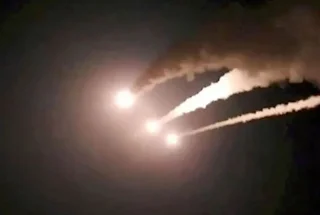
The detentions occur amid ongoing attacks on UAE territory. The Ministry of Defense stated that since February 28, air defense systems intercepted 1,567 drones, 285 ballistic missiles, and 15 cruise missiles. The ministry emphasized its commitment to protecting the country’s territory and maintaining stability.
The conflict, previously concentrated in Israel, Palestine, and Lebanon, has spread to the Gulf countries. For the member states of the Gulf Cooperation Council (GCC), this represents an unprecedented challenge: for decades, they had remained outside direct military confrontations or played supporting roles.
In nearly two weeks of hostilities, around 2,000 people have died. The highest casualties are reported in Iran, but victims have also been recorded in Lebanon and other countries in the region, with numbers continuing to rise.
Conclusion
The events are already affecting the UAE’s international image as a stable and safe jurisdiction. Key sectors such as tourism, finance, and investment attractiveness are at risk.
Attempts to limit the spread of visual content through detentions and law enforcement measures appear to be an effort to control the information narrative. However, in the context of open digital platforms and the rapid dissemination of content, such measures are unlikely to fully control the flow of information.
As a result, the gap between the public image of stability and the actual situation is widening, which may eventually undermine trust among tourists, businesses, and international partners.