







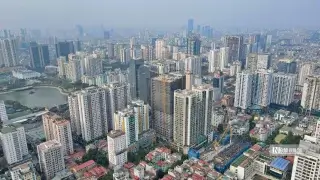
 Vietnam Mortgage Surge Pushes Homes Out of Reach
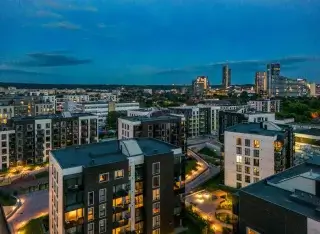 Lithuanian Apartment Prices Accelerate Across Major Cities
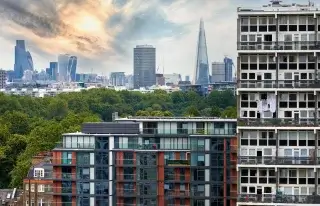 London Flats Lose Value Ahead of Leasehold Reform
 Construction of the Batumi–Sarpi Highway Begins in Georgia
 Baltic Property Investment Accelerates in 2026
 Hong Kong and Singapore Renew Their Expat Rivalry
Moscow airports suspend flights due to drone attacks
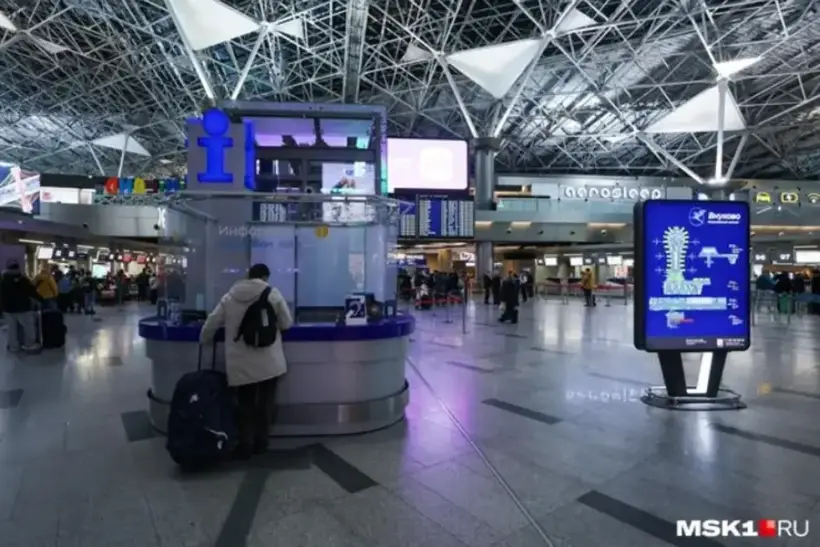
All Moscow airports halted operations on May 5, 2026 due to the “Carpet” contingency plan, which was introduced at around 11 a.m., RBC reports. In the first half of the day, air defenses repelled attacks by four UAVs over the capital. Overnight, 289 drones were intercepted across Russia.
Flight cancellations and internet disruptions
In the early afternoon, 13 departures and 27 arrivals were delayed at Vnukovo Airport. Some flights were redirected to alternate airports, with several, for example, diverted to Saratov instead of Moscow. Vnukovo had also canceled flights on May 4, affecting around 50 services, again due to drone attacks. Domodedovo reported 29 schedule disruptions, while more than 80 flights were delayed or rescheduled at Sheremetyevo.
Mobile internet was also shut down in Moscow. Users were unable to call taxis, access banking apps, messaging services, or even certain “whitelisted” websites. A day earlier, telecom operators had warned of connectivity restrictions for security reasons from May 5 to May 9.
Temporary flight restrictions were also imposed on May 5 in Izhevsk, Chelyabinsk, Cheboksary, Bugulma, Orenburg, Orsk, Ufa, Kazan, St. Petersburg, and Nizhny Novgorod. Some of these airports resumed operations later in the day.
Drone attacks in Russia: scale of the issue
In February 2026, air defenses destroyed around 6,000 drones in Russia. In March, more than 11,000 were intercepted, and in April over 9,300. On the night of May 3, 334 drones were shot down across several regions. Another 52 were destroyed in the morning over the Belgorod, Bryansk, Kaluga, Kursk, Oryol, Smolensk, Tula, and Moscow regions. Further attacks were recorded later that day and into the evening, totaling more than 100.
On May 2, around 60 flights were canceled or delayed in Sochi following UAV attacks. Over the past 24 hours, according to the Defense Ministry, 601 drones and six long-range cruise missiles dubbed “Flamingo” were destroyed. Ukraine stated it was ready to implement a ceasefire from midnight on May 5–6, provided it was reciprocated. Russia, in turn, announced a temporary truce from May 8 to May 9, 2026, to mark Victory Day. No formal documentation was issued, though Moscow indicated it expected similar steps from Kyiv, warning otherwise of a possible “massive missile strike on central Kyiv.”
Outlook for tourism and business in Russia
Analysts at International Investment note that widespread aviation restrictions highlight how sensitive transport and communications systems are to security risks. Even short-term airport shutdowns trigger a chain reaction: schedules shift, costs rise for airlines and businesses, and pressure increases on alternative modes of transport. For the tourism sector, this means more cautious travel planning and growing demand for flexible booking options.
In the near term, industry players are likely to factor in higher logistical risks and focus more on domestic destinations accessible by land. If such disruptions persist, they could accelerate a shift toward regional routes and reshape travel patterns. At the same time, the importance of real-time passenger communication and the ability of companies to adapt quickly will continue to grow.