







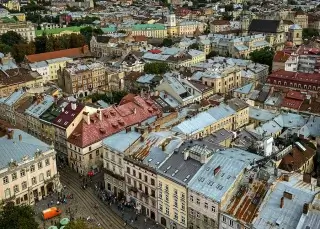
 How Ukraine’s New-Build Housing Market Has Changed Over Four Years
 European Prime Rents Rise as Property Yields Turn Higher
 The Most Expensive Airlines in Europe in 2026
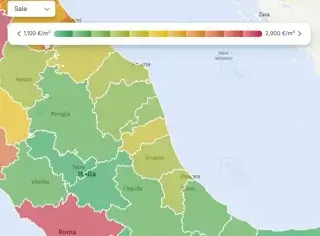 Housing Prices in Italy Reach a Two-Year High
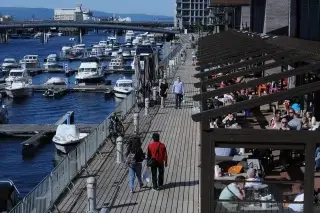 Travellers Increasingly Choose Cooler Scandinavia
 Serbia Property Sales Decline as Transaction Value Rises
Unique Bronze Chariot of the Tartessian Civilization Found in Spain
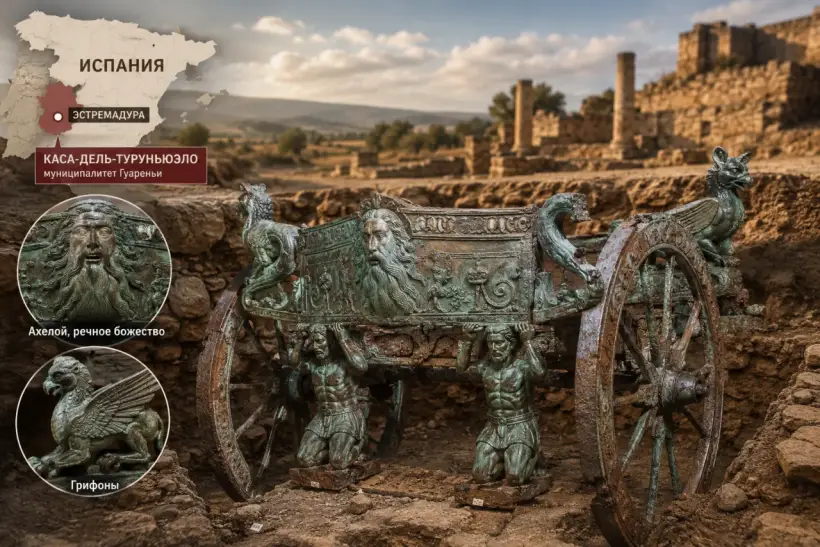
In Spain's Extremadura region, at the ancient settlement of Casa del Turuñuelo (in the municipality of Guareña), archaeologists have unearthed a bronze ceremonial chariot dating to the 5th century BC – a find with no known parallel on the Iberian Peninsula.
The discovery was made during the eighth archaeological campaign at the site, which is being investigated by researchers from the Institute of Archaeology of Mérida. The chariot was found in the settlement's ritual area – corridor S3 – where an altar in the shape of a bull hide had previously been uncovered.
Only half of the chariot has survived to the present day: two wheels and part of the body. Even so, experts note the exceptional quality of its decorative finishing and the sophisticated metalworking technique, in which bronze elements were assembled together with iron parts.
The chariot's decoration includes depictions of the river god Achelous, known from Greek and Etruscan tradition, as well as griffins on both ends of the structure. The body is supported by two male figures in an atlas-like pose.
No direct parallels to this object have been found in Iberia – the closest comparisons come from the Etruscan civilization of central Italy, supporting the existence of trade networks linking Tartessos with various regions of the Mediterranean.
Archaeologists believe the chariot may have been used in ritual feasts and is linked to a final ceremonial banquet, as a hall identified as a feasting room is located near the find.
During the same campaign, other foreign-origin objects were also discovered at the site: Attic pottery from Greece, an Egyptian alabaster vessel, and carved ivory items depicting warriors, animals, and plants.
Once archaeological work is complete, Casa del Turuñuelo could become a tourist attraction in Extremadura. The province has already begun drawing enthusiasts of antiquity and "historical tourism".