







read also




US Flight Chaos Driven by Winter Storm. Why schedules break so fast?
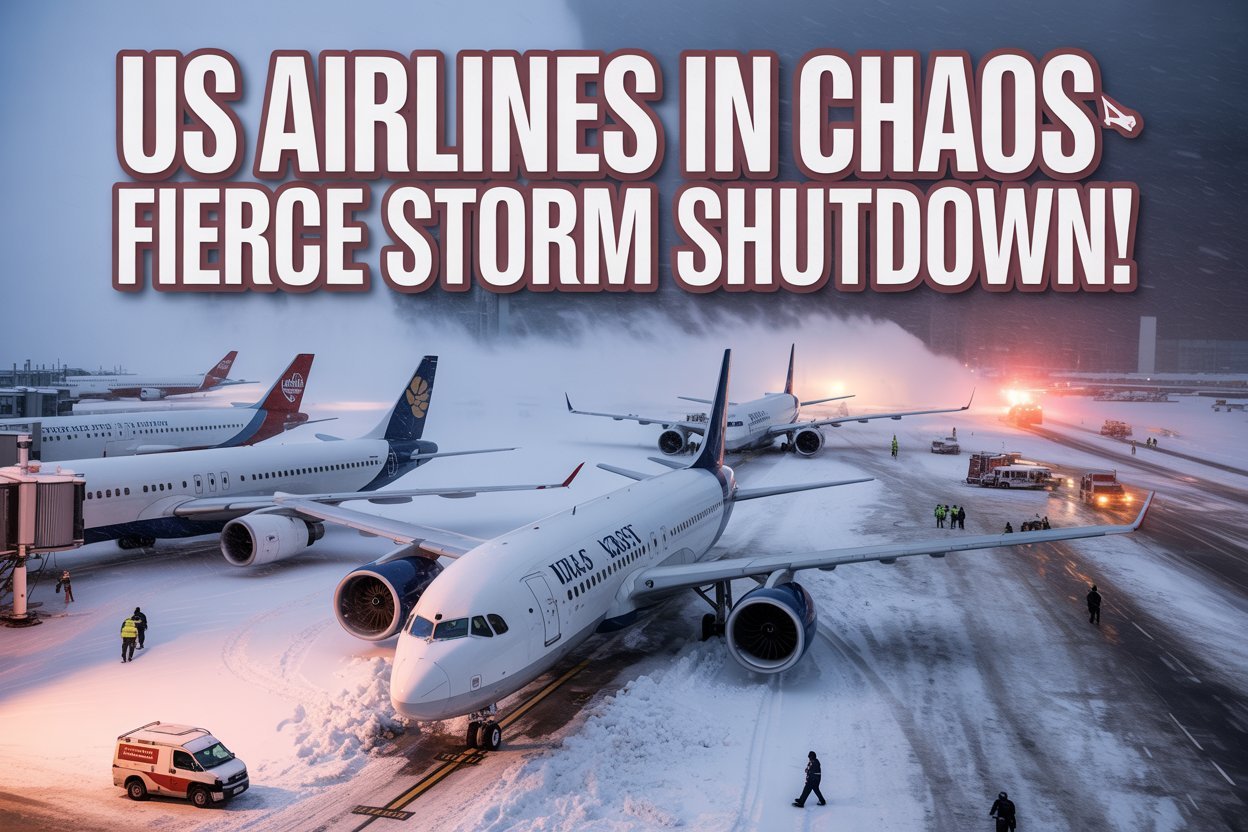
Late-January 2026 winter weather across the United States has been widely branded “Winter Storm Fern” in the media, but that name is not an official National Weather Service designation—NWS does not formally name winter storms. What matters operationally is the mix of snow, ice, wind, and plunging temperatures. De-icing takes time, runway throughput drops, airspace flow programs kick in, crews time-out, and a handful of airport bottlenecks can cascade into nationwide disruption within hours.
What verified data showed on January 23, 2026
Real-time disruption is visible in independent tracking and official system reporting. FlightAware’s nationwide snapshot for January 23, 2026 (U.S. time) showed thousands of delays and hundreds of cancellations, shifting as conditions and airport constraints evolved. At the same time, FAA’s daily air traffic and advisory reporting reflected weather-driven constraints and capacity reductions that typically accompany large winter events.
Why it hits travelers far from the storm zone
U.S. airlines run tightly interconnected networks. When a few major hubs slow down, aircraft and crews fail to rotate into position, and delays ripple into cities with clear skies. A flight that looks “unaffected” on the map may still be waiting for an inbound aircraft stuck in a constrained hub, or for a crew that has reached duty limits after earlier delays. That’s why rebooking inventory disappears quickly and missed connections spike first.
How to protect your time and money
The practical playbook is proactive. Before heading to the airport, check status in the airline app and airport boards, then look for a travel waiver that allows free changes—using it early can be the difference between a clean reroute and being trapped in a rebooking queue. If your flight is canceled and the alternative offered doesn’t work for you, U.S. DOT consumer guidance and the strengthened refund framework are clear that eligible passengers must be able to receive a cash refund rather than being pushed into vouchers. In real terms, that can be the fastest path to building a workable replacement itinerary when the original network is saturated.
International connections: the hidden failure point
During U.S. winter events, long-haul flights may operate while feeder legs collapse. If you’re connecting to an international departure, your highest risk is often the first domestic segment. The smartest move is usually to shift to an alternative hub or move the departure window by a day while waiver flexibility still exists—waiting for a formal cancellation often means competing for the last remaining seats.
As International Investment experts report, U.S. winter flight disruption is rarely a single-airport story—it’s a network domino effect. The best outcomes typically come from early action: rebook under the carrier’s waiver before mass cancellations peak, or take a refund and rebuild the route around what FAA constraints and real-time delay data say the system can actually handle.
Подсказки: United States, aviation, airlines, flight delays, cancellations, winter storm, FAA, air travel disruption