







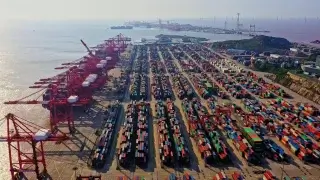
 China Nears a Decision on Fresh Stimulus
 Fines for Illegal Rentals in Spain Reach €800,000
 Australia’s Spring Auctions Rise but Remain Well Below 2025
 Number of Foreigners Holding Turkish Residence Permits Exceeds 1.27 Million
 Demand from Russian Tourists for Holidays in Georgia Rises by 20–25%
 Montenegro Property Buying Costs in 2026
Zero Net Migration Could Shrink UK Economy by 2040

Key Findings from the NIESR Analysis
A recent report by the National Institute of Economic and Social Research (NIESR) highlights significant risks to the United Kingdom’s economy if net migration were to fall to zero. According to the analysis, the UK’s real GDP could be approximately 3.6 % smaller by 2040 under this scenario compared with baseline projections where net migration remains positive. This outcome reflects anticipated declines in labour supply, an ageing population and reduced overall economic activity over the long term.
Demographics and Labour Market Impact
Net migration in the UK has already fallen sharply in recent years, driven by policy changes and increased emigration, with estimates showing a decrease from around 649,000 to approximately 204,000 in the year to June 2025. Under a sustained decline to zero net migration, the UK’s population is projected to level off around 70 million by 2030, with corresponding reductions in the labour force that place pressure on key sectors including healthcare, construction and services.
Productivity Gains Versus Growth Slowdown
The NIESR projections suggest a potential 2 % rise in GDP per capita within the zero migration scenario, due mainly to productivity improvements as firms invest in automation and capital equipment. However, these gains would be overshadowed by weaker total economic growth, with lower tax revenues and increased public borrowing needed to fund social services for an ageing population. Forecasts indicate a possible £37 billion increase in the budget deficit by 2040 if fiscal adjustments are not made.
Implications for Public Finances
Researchers note that without adjustments to fertility rates or migration policy, maintaining net zero migration could create long-term fiscal pressures. The combination of a shrinking workforce and higher spending on demographic-driven services may compel policymakers to consider higher taxes or reduced public programs in order to stabilise public finances. While such a stance may have political appeal, economists warn that balanced migration strategies are crucial for sustainable growth and fiscal health.
As reported by International Investment experts, the NIESR’s findings that zero net migration could shrink the UK economy by 3.6 % by 2040 underscore the importance of maintaining balanced migration policies that support overall economic growth and mitigate long-term fiscal challenges.