







read also
 China Nears a Decision on Fresh Stimulus
 Fines for Illegal Rentals in Spain Reach €800,000
 Australia’s Spring Auctions Rise but Remain Well Below 2025
 Number of Foreigners Holding Turkish Residence Permits Exceeds 1.27 Million
 Demand from Russian Tourists for Holidays in Georgia Rises by 20–25%
 Montenegro Property Buying Costs in 2026
Ireland Bets on Housing Expansion
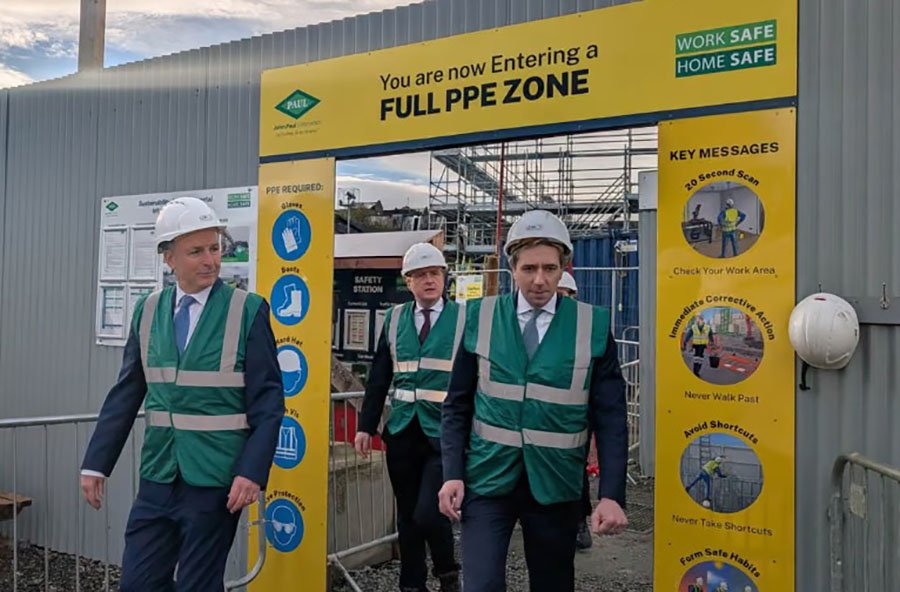
Photo: The Guardian
The Irish government has unveiled a long-awaited strategy to confront the country’s severe housing shortage by delivering 300,000 new homes within five years. The plan targets completion by 2030 and includes 72,000 social housing units aimed at vulnerable groups. Housing minister James Browne described the target as ambitious yet achievable, framing housing as a defining challenge for Ireland’s economic and social stability.
Funding scale and delivery constraints
At the core of the proposal is €28.2 billion in state funding, much of it earmarked for enabling infrastructure rather than bricks and mortar alone. Investments in water, wastewater services and the power grid are intended to unlock stalled developments and expand construction capacity. Authorities also plan to increase the availability of zoned and serviced land, while a new housing activation office will focus on removing procedural bottlenecks that have historically slowed delivery.
Reactivating vacant property and social focus
The strategy extends beyond new builds. Financial incentives of up to €140,000 per property are designed to convert vacant shops and premises into homes, alongside grants to refurbish derelict housing. Special support measures are directed at homeless people, older residents and people with disabilities, reflecting a policy shift toward both supply growth and social inclusion. Taoiseach Micheál Martin labelled housing a national priority, while Tánaiste Simon Harris stressed that speed of delivery, rather than funding, remains the core challenge.
Political pushback and doubts
Opposition parties and several stakeholders responded with caution. Sinn Féin argued that the plan largely repackages earlier strategies and fails to address structural causes of the crisis. The removal of strict annual delivery targets was interpreted by critics as an attempt to lower accountability. Trade unions echoed concerns, warning that without systemic reform the programme could repeat past shortcomings seen since the post-2008 construction slowdown.
As International Investment experts report, Ireland’s housing push marks a decisive policy moment, but its success will hinge on accelerating approvals and on-the-ground construction; without faster execution, even a 300,000-home target may fall short of restoring balance to the market.