







read also
 Australia’s Spring Auctions Rise but Remain Well Below 2025
 Number of Foreigners Holding Turkish Residence Permits Exceeds 1.27 Million
 Demand from Russian Tourists for Holidays in Georgia Rises by 20–25%
 Montenegro Property Buying Costs in 2026
 Four in Ten Companies Would Not Choose Slovakia
 Gulf Countries Prepare Unified Tourist Visa
US Hotels See Margins Squeezed by Labor Costs
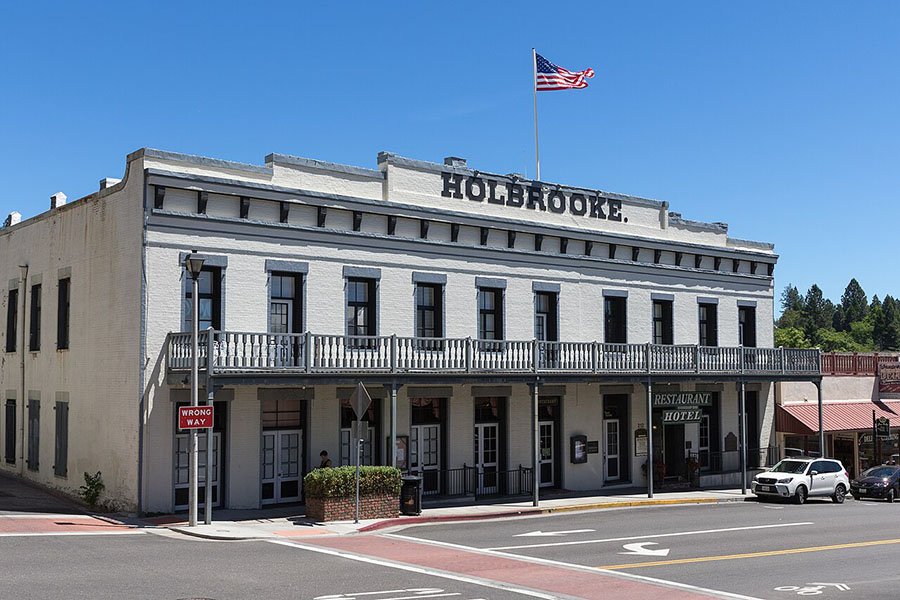
Photo: Wikimedia
US hotels are entering the final months of 2025 under growing margin pressure as demand recovery slows while labor costs remain stubbornly high. After a strong start to the year, profitability is tightening, with unionized properties facing significantly sharper constraints than non-union hotels.
Demand cools despite stable guest spending
HotStats data for the first eight months of 2025 shows that total revenue per available room (TRevPAR) has flattened. Revenue per occupied room (TRevPOR) remains positive, indicating that guests continue to spend more during their stays. However, this benefit is being offset by steadily weakening occupancy since the second quarter. The data points to a volume problem rather than a pricing one, as hotels have largely maintained rate discipline.
Labor costs dominate the cost equation
Payroll expenses have stabilized but at elevated levels. Payroll cost per available room (PayPAR) continues to rise by roughly 4% to 5% year on year, outpacing revenue growth in most months. Even as wage inflation moderates, the existing cost base is compressing margins, shifting the industry’s focus from cost containment to productivity and staffing efficiency.
Profit margins erode through the year
Since April, gross operating profit per available room (GOPPAR) has declined month after month. The summer season highlighted the issue: occupancy softened while staffing levels remained relatively fixed. As a result, each labor hour generated less profit, even though service standards were maintained.
Union versus non-union: a widening gap
The divergence between union and non-union hotels underscores the structural nature of the challenge. Unionized properties operate with an average labor cost ratio of 43.0%, compared with 33.5% at non-union hotels. This 9.5-point gap has widened over the past five years and is now translating directly into weaker profitability. GOP margins at union hotels have fallen to 30.3%, versus 36.5% at non-union properties.
Performance data indicates that non-union hotels retain roughly 25 cents in profit for every additional dollar of revenue, while unionized hotels often fail to generate positive flow-through. Contractual wage increases and rigid work rules limit flexibility, reducing the ability to adjust during periods of softer demand.
A structural challenge for the US market
While some global regions are stabilizing and the Middle East continues to outperform, the Americas are losing momentum. In the US, weaker group demand and declining profit conversion since the second quarter highlight the need for operational adjustment. Labor flexibility and productivity are emerging as defining factors for hotel profitability in the current cycle.
International Investment expert conclusion
According to International Investment experts, margin pressure in the US hotel sector in 2025 is structural rather than cyclical. As demand growth moderates, properties with greater labor flexibility and stronger productivity management will be best positioned to defend profitability.