







read also
 Vietnam Mortgage Surge Pushes Homes Out of Reach
 Lithuanian Apartment Prices Accelerate Across Major Cities
 London Flats Lose Value Ahead of Leasehold Reform
 Construction of the Batumi–Sarpi Highway Begins in Georgia
 Baltic Property Investment Accelerates in 2026
 Hong Kong and Singapore Renew Their Expat Rivalry
Gold and Platinum Price Rally Boosts South Africa’s Rand
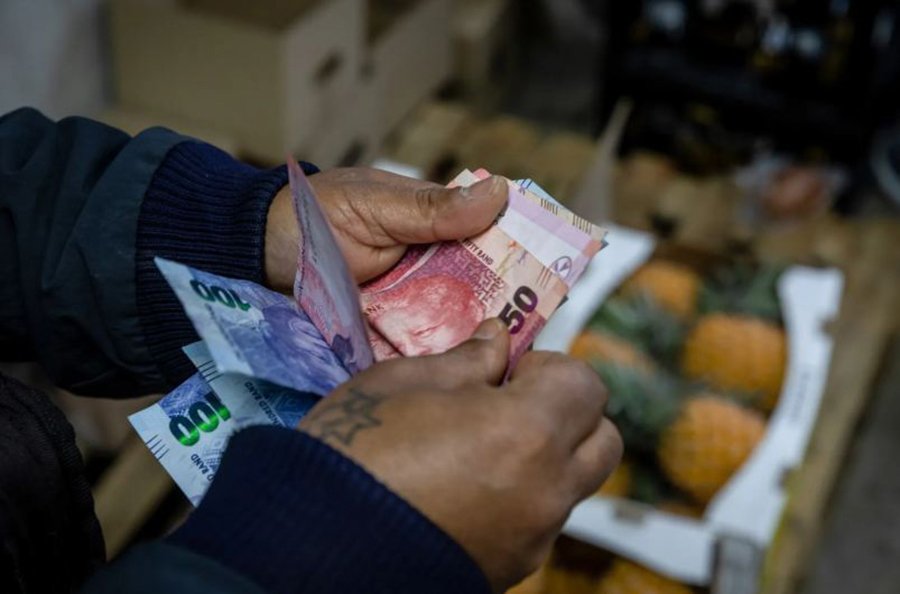
Photo: Bloomberg
gSouth Africa’s rand strengthened to its highest level in several years at the start of 2026 and showed the strongest performance among emerging market currencies. The currency was supported by ongoing economic reforms, rising metal prices and lower inflation expectations, which increased investor interest, Bloomberg writes.
Currency and Capital Market Dynamics
In 2025, South Africa’s national currency gained 14%, and added another 3% at the beginning of 2026. In the first week of January, the rand rose by 0.6% to 16.503 per dollar. South Africa’s stock market also showed positive momentum, with the benchmark equity index up about 0.9%, mainly driven by shares in the precious metals and mining sectors.
Reuters reports that as of January 26, one dollar was worth 16.03 rand — the strongest level since June 2022. Among the key drivers were a sharp rise in gold prices, which hit a record high above $5,100 per ounce, as well as a record surge in platinum prices. Both metals are among South Africa’s main export commodities and have a direct impact on the country’s trade balance.
Government bonds have become some of the strongest-performing assets on the market, with yields on benchmark 10-year bonds falling to their lowest level since 2019 amid slowing inflation. The Johannesburg Stock Exchange’s All-Share Index rose by 1.3% at the end of January, setting a new all-time high, while the yield on government bonds maturing in 2035 fell by 4.5 basis points to 8.1%. Ninety One portfolio manager Malcolm Charles noted that South Africa offers some of the highest real yields among emerging markets.
Macroeconomic Turning Point
The government continues to implement reforms aimed at accelerating economic momentum, which over the past decade has averaged no more than 1%. The central bank’s 3% inflation target is helping to reduce inflation expectations and strengthen confidence in monetary policy.
Goldman Sachs takes a positive view on South African equities, indicating that potential rate cuts could support economic sectors that have previously lagged behind. Investors also note that after many years of weak growth and rising public debt, South Africa’s economy is showing signs of a turnaround: reforms and improved fiscal indicators have led to a revaluation of national assets. PineBridge Investments Europe portfolio manager Anders Faergemann said he sees no fundamental reasons for the rand to weaken under current conditions.
Risks and Growth Constraints
At the same time, some major banks remain more cautious in their assessments. Analysts at BNP Paribas and Mizuho expect the average exchange rate to be around 17 rand per dollar in the first quarter of 2026, pointing to limited potential for further currency appreciation. Ashburton Fund Managers analyst Michael Grobler describes the rand as overbought in the short term and expects it to consolidate in the range of 16.50–16.70 per dollar.
Key risks also include a possible strengthening of the US dollar, profit-taking in the precious metals market and rising geopolitical tensions, which could push oil prices higher and worsen conditions for emerging markets.
What This Means for Investors
Analysts at International Investment note that current trends make South Africa one of the most attractive emerging markets in terms of the combination of returns and macroeconomic stability. The rand remains an appealing instrument for currency strategies, while the bond market offers opportunities for investors seeking high real yields. However, the potential for further growth increasingly depends on external conditions and the authorities’ ability to maintain confidence in reforms, making investment in South African assets more of a tactical play than a long-term “risk-free” bet.