







 Vietnam Mortgage Surge Pushes Homes Out of Reach
 Lithuanian Apartment Prices Accelerate Across Major Cities
 London Flats Lose Value Ahead of Leasehold Reform
 Construction of the Batumi–Sarpi Highway Begins in Georgia
 Baltic Property Investment Accelerates in 2026
 Hong Kong and Singapore Renew Their Expat Rivalry
U.S. Hotel Investment Reaches $24 Billion
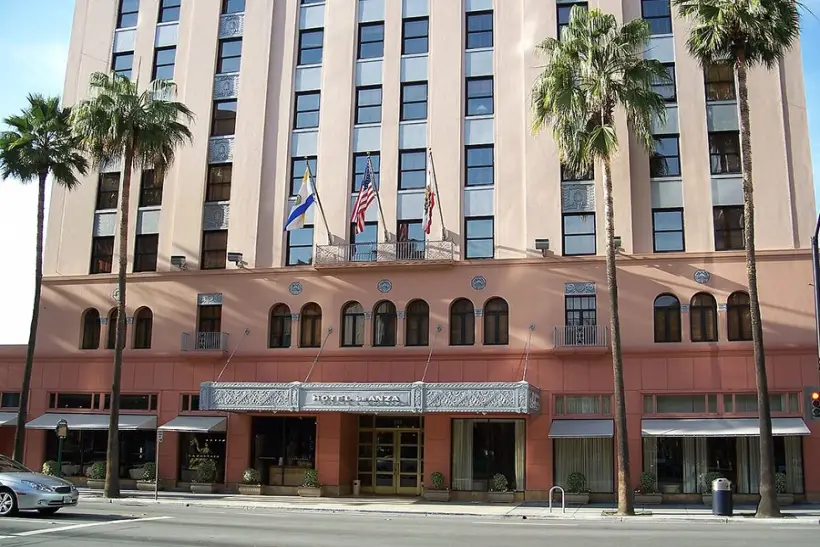
The U.S. hotel investment market posted $24 billion in transaction volume in 2025, marking a 17.5% year-over-year increase, according to JLL’s 2025 U.S. Hotel Investment Trends Report. The data point to a resilient recovery driven by improved debt markets and sustained private equity activity.
Debt market tailwinds and capital flow
The investment surge was supported by significantly lower borrowing costs. Since the Federal Reserve began cutting interest rates in September 2024, overall debt costs have declined by nearly 300 basis points, enabling investors to achieve positive leverage when acquiring assets.
Kevin Davis, Americas CEO of JLL Hotels & Hospitality Group, noted that this shift in financing conditions fueled transaction activity in the second half of 2025 and is expected to continue driving deal flow into 2026.
Top-performing markets
New York led the nation with $3.7 billion in hotel transactions across 29 trades. Phoenix followed with $1.5 billion and 22 trades, while Washington, D.C. recorded $1.2 billion in 22 transactions.
These urban markets benefited from large-scale trades and continued investor confidence in gateway cities and high-growth metropolitan areas.
Shifting investor profile
The report highlights a diversification of buyer types. High-net-worth individuals and foreign investors increased their participation alongside active private equity firms. Hotels remain attractive due to pricing discounts relative to replacement costs and favorable yield profiles compared to other real estate sectors.
K-shaped operational recovery
Operating performance in 2025 reflected a bifurcated recovery. Luxury segment RevPAR increased by 3% year-over-year, while midscale and economy segments declined by 2.8% and 4.4%, respectively. The divergence underscores premium demand resilience driven by higher-income travelers.
World Cup and 2026 outlook
Looking ahead, World Cup host cities are expected to see significant performance gains. Historical data show that Super Bowl events add approximately 2.8 percentage points to annual market RevPAR, while the extended 39-day World Cup schedule could generate mid-double-digit RevPAR growth in select host markets.
Additionally, America’s 250th anniversary celebrations are projected to provide incremental demand support.
Supply constraints reinforce investment case
New hotel supply growth is expected to remain below the long-term annual average of 1.7%, limiting competitive pressure. Urban markets accounted for 43% of transaction volume in 2025, signaling continued investor confidence in established city assets.
As experts at International Investment note, the combination of lower interest rates, limited new supply and major global events positions the U.S. hotel sector for sustained investment momentum in 2026. Under stable macroeconomic conditions, hospitality real estate may remain one of the most dynamic segments within commercial property markets.