










French housing market shows renewed growth

In 2026, the French property market is showing gradual recovery after a slowdown driven by rising interest rates and higher living costs across Europe. Following several years of strong expansion supported by record-low mortgage rates, transaction volumes declined in 2023 and 2024 as borrowing conditions tightened. By the end of 2025, however, activity began to rebound.
Approximately 920,000 residential property transactions were completed in France in 2025, representing an increase of around 11% compared to 2024. This marked the first significant recovery signal after a period of contraction. Price growth remains moderate, while supply constraints continue to affect both the sales and rental segments in prime areas.
Key trends shaping French real estate
Demand for French property remains supported by both domestic and international buyers. Nevertheless, non-cash buyers still face stricter lending criteria and higher financing costs.
One of the defining trends of 2026 is the growing demand for energy-efficient homes. Stricter DPE energy performance regulations are encouraging buyers to prioritise properties with strong environmental credentials, including modern insulation systems, renewable energy installations and low carbon footprints.
Income-generating properties such as rural gîtes, guesthouses and small hospitality assets are also attracting renewed interest. Investors view these assets as a hedge against economic uncertainty while benefiting from France’s strong tourism sector.
Key considerations for property buyers in France
Defining clear objectives is essential before entering the French real estate market. Buyers must decide whether they are purchasing for personal use, rental income, long-term investment or a combination of these purposes.
Regional research is equally important. Climate, accessibility, healthcare infrastructure, education facilities and tourism potential all influence long-term value. New EU border systems such as EES and ETIAS may also affect non-resident owners and should be considered when planning extended stays.
Financial planning extends beyond the purchase price. Buyers must factor in notary fees, property taxes, insurance costs, maintenance expenses and potential exchange rate fluctuations when transferring funds internationally.
Legal process and transaction structure
Property purchases in France follow a structured legal framework overseen by a Notaire. Once an offer is accepted, the parties sign a preliminary contract known as the Compromis de Vente, which outlines the agreed price, conditions and completion timeline.
Buyers requiring financing must secure a formal mortgage offer before completion. Insurance certification is mandatory prior to key handover.
Final ownership transfer takes place upon signing the Acte de Vente before the Notaire. At this stage, the remaining balance and associated legal fees are settled, and ownership is officially registered.
Popular regions for French property investment
The French Riviera remains one of the most prestigious destinations, with Nice, Cannes and Saint-Tropez attracting international buyers seeking lifestyle and capital preservation. Provence continues to appeal with its vineyards, historic towns and Mediterranean setting.
Occitanie offers diverse landscapes from coastal areas to mountainous terrain. Normandy remains popular due to competitive pricing and accessibility. Dordogne attracts second-home owners interested in rural estates and châteaux.
The French Alps strengthen their investment profile ahead of the 2030 Winter Olympics, while Paris and the broader Île-de-France region remain highly liquid markets, particularly in central districts such as Le Marais and Saint-Germain-des-Prés.
New-build and off-plan opportunities
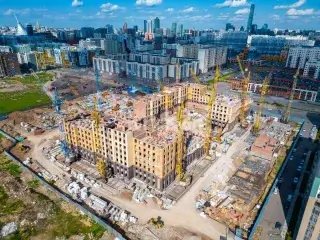
Purchasing off-plan property under the VEFA scheme is strictly regulated in France. Modern developments comply with current environmental standards, reducing operating costs and enhancing long-term value. For investors, off-plan purchases can provide price advantages and energy-efficient assets aligned with regulatory requirements.
Market outlook for 2026
France’s property market in 2026 reflects cautious but stable growth. Institutional stability, transparent legal procedures and diversified regional markets continue to support long-term confidence.
As reported by experts at International Investment, France remains one of Europe’s most predictable and structurally resilient residential property markets this year, particularly in energy-efficient segments and regions with sustained international demand. However, investors should not expect high yields or rapid speculative gains. Elevated taxation, regulatory constraints and relatively high acquisition costs limit the potential for double-digit returns. French real estate continues to function primarily as a stability-focused asset rather than a high-yield investment vehicle.