







read also
 Vienna Leads Rentals, Alpine Resorts Earn More
 US Prepares to Revoke Up to 200,000 Visas of Asylum Applicants
 Denmark Pushes EU Toward Tougher External Borders
 New-Build Home Prices in Russia Rise 34% in Three Years
 Singapore Core Inflation Hits Highest Since 2024
 High Prices Cool Hong Kong New-Home Demand
Christmas and New Year in the US: The Country Prepares for a Record Travel Season
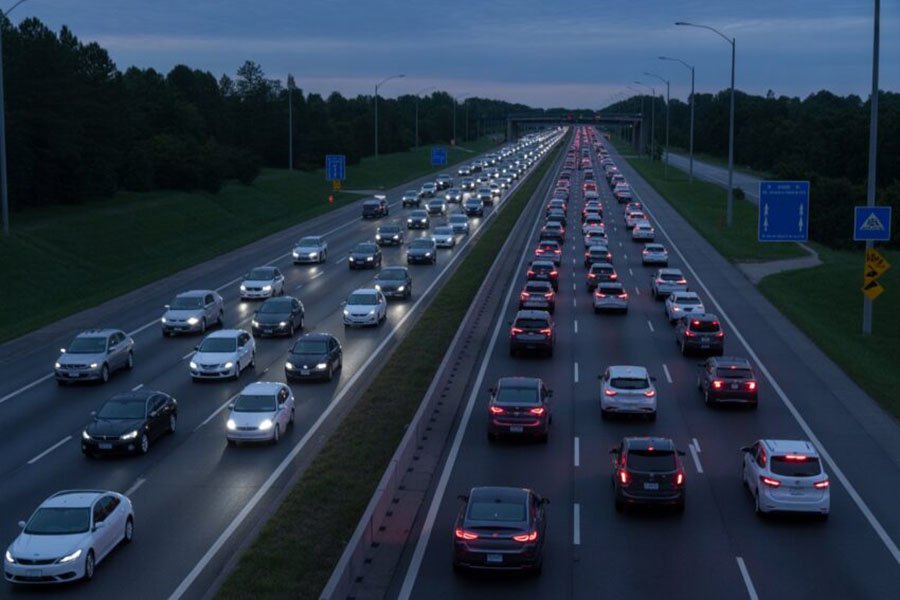
Photo: Travel and Tour world
The US is gearing up for a record season of domestic holiday travel. According to the forecast by the American Automobile Association (AAA), from December 20 to January 1 about 122.4 million Americans will take trips of more than 80 km from home. That is 2.2% more than in 2024, when the previous record of 119.7 million was set, and the highest figure on record.
Cars Take Priority
The bulk of holiday travel in the US traditionally happens by road. AAA estimates that about 109.5 million people will travel by car — roughly 89% of all holiday travelers. The choice is practical: driving makes it easier to carry gifts and luggage, avoid fixed schedules, and adjust the route if needed.
This year, demand for road trips is additionally supported by fuel prices. For the first time in four years, the national average gasoline price has fallen below $3, reducing the cost of longer trips for household budgets. Rental demand is also strong: the source cites small SUVs among the most popular options, chosen as a balance between comfort and efficiency.
Air Travel Reaches a New High
The holiday season is also set to be record-breaking for domestic air travel. AAA forecasts about 8.03 million people will fly within the US. This is 2.3% more than a year earlier and the first time domestic holiday air travel is expected to exceed 8 million passengers.
Rising demand is accompanied by higher fares. The average domestic round-trip ticket for holiday dates is approaching $900, about 7% higher than last year. The most expensive days are the period before Christmas, while December 25 and the stretch closer to New Year’s are typically calmer in terms of prices and congestion.
Against the backdrop of record passenger volumes, AAA advises allowing extra time to get to the airport and clear security, as aviation infrastructure operates near capacity during this period and winter weather remains an additional source of delays.
In the first half of December, US air travel faced several major disruptions. Early in the month, more than 6,128 delays and 109 cancellations were recorded in a single day. A few days later, 10,037 flights ran behind schedule and 879 flights were canceled. A third wave brought the figures to 5,990 and 130, respectively.
Problems were reported in Chicago, Atlanta, New York, Denver, Los Angeles, Salt Lake City, Seattle, Houston, and San Francisco, as well as in Boston, Washington, Portland, Cleveland, Charlotte, Detroit, Orlando, and Miami. Disruptions were also noted at smaller airports, including Havre, Sidney, and Wolf Point in Montana, Anchorage, and Billings, where even a few cancellations could derail travel plans due to a lack of alternative connections.
Cruises, Trains, and Buses Show the Fastest Growth
The third category—trains, buses, and cruise ships—is showing the strongest momentum this holiday season. AAA estimates about 4.9 million people will use these modes, roughly 9% more than a year earlier. Cruises are the main driver: more Americans are choosing them as a way to celebrate without complex logistics, since one itinerary typically includes accommodation and meals, and routes often lead to warmer climates. This format is especially popular for New Year trips.
Overall, demand for travel by water and rail significantly exceeds pre-pandemic levels. Compared with 2019, the volume of such trips has increased by about 25%, reflecting sustained interest in alternative ways to travel at year end.
Where Americans Vacation
Among domestic trips, popular resort and entertainment destinations lead the list. The top choices include Orlando, Fort Lauderdale, and Miami in Florida, as well as Los Angeles and Anaheim in Southern California. Honolulu is also among the leaders and traditionally remains in high demand during the winter season.
Internationally, preferences are shifting toward nearby warm-weather destinations: Cancun, Punta Cana, and Cozumel — resorts in Mexico and the Dominican Republic—driven by short flights and a beach-focused vacation format.
When It’s Hardest to Travel
The record travel volume is expected to overload roads and airports on certain days of the holiday period. AAA notes that the heaviest demand is likely on the weekend immediately before Christmas, when most travelers head to visit relatives or travel to resorts.
A second peak is forecast for December 26, when those returning after Christmas and those starting short New Year trips will take to the roads and airports. These dates are likely to bring the longest delays, the densest traffic, and the highest pressure on transport infrastructure, especially in popular tourist regions.
The calmest days are traditionally December 25 and January 1. On these dates, both road traffic and airport passenger volumes are typically lower, making travel more comfortable despite the holiday calendar.
Подсказки: USA, Christmas travel, New Year travel, holiday season, AAA, air travel, road trips, airports, delays, tourism