







 Fines for Illegal Rentals in Spain Reach €800,000
 Australia’s Spring Auctions Rise but Remain Well Below 2025
 Number of Foreigners Holding Turkish Residence Permits Exceeds 1.27 Million
 Demand from Russian Tourists for Holidays in Georgia Rises by 20–25%
 Montenegro Property Buying Costs in 2026
 Four in Ten Companies Would Not Choose Slovakia
A ban on entry for convicted foreigners proposed in Russia’s State Duma
LDPR insists on permanent restrictions
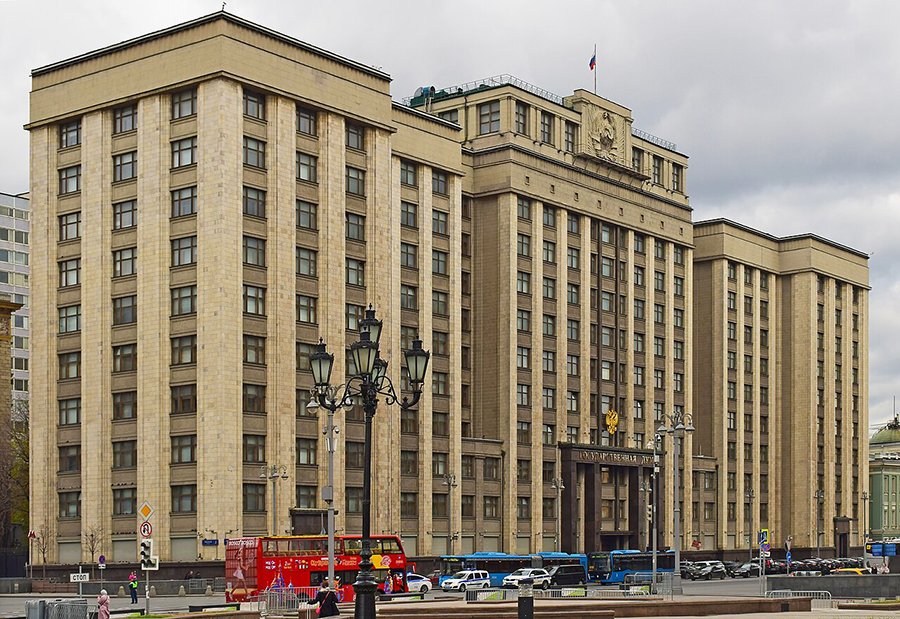
A bill introducing a lifelong entry ban to Russia for foreign citizens and stateless persons convicted of serious and particularly serious crimes is being prepared for submission to the State Duma, TASS reports. The initiative was put forward by the LDPR faction led by party leader Leonid Slutsky.
Current restrictions
At present, Russian legislation предусматривает only temporary entry restrictions for foreign citizens and stateless persons previously convicted of crimes. After the expiration of the установленный срок, such individuals formally regain the right to enter Russia.
The LDPR believes that this mechanism does not provide a sufficient level of protection and creates risks to public safety. The explanatory note to the bill stresses that the current system fails to take into account the potential threat posed by individuals with a serious criminal background.
What is proposed to change
The bill introduces a permanent entry ban to Russia for foreign citizens and stateless persons previously convicted of serious and particularly serious crimes. The restriction is proposed to apply regardless of whether the conviction has been expunged or removed. The measure is aimed at preventing repeat entry by individuals with a criminal past and revising the existing migration control system.
Leonid Slutsky stated that the priority should remain the safety of Russian citizens. According to him, it is unacceptable for people to feel anxiety when encountering individuals previously convicted of robberies, assaults and other serious crimes. He emphasized that the state must minimize the risks of repeat offenses by those with a criminal history and ensure the unconditional priority of public safety.
Linking migrants to employers
Earlier, the LDPR proposed to ban migrants from changing their place of work during the first year of stay in Russia. In the event of early termination of the employment contract, such workers, according to party representatives, should be deported from the country at their own expense.
Leonid Slutsky explained that the current patent system has turned into a “loophole for illegal workers”, as foreigners often formalize documents only nominally and then move into the shadow economy. The patent is not tied to a specific employer, which allows migrants to freely change jobs or work for several companies at the same time.
Mandatory voluntary medical insurance
In December, the head of the State Duma Committee on Health Protection, Sergey Leonov, proposed obliging labor migrants to purchase a voluntary medical insurance policy at their own expense when entering Russia for long-term stay. He noted that existing agreements between Russia and CIS countries allow foreign citizens to receive emergency medical care at the expense of the state budget, including childbirth services, which creates an additional burden on the public healthcare system.
Leonov added that over the past five years, billions of rubles have been spent on providing medical assistance to uninsured migrants, and expressed the view that mandatory voluntary insurance would help reduce budget expenditures and redistribute financial responsibility.
Health control over migrants
In mid-January, State Duma Speaker Vyacheslav Volodin said that the chamber would prioritize three bills aimed at combating illegal migration and protecting the health of Russian citizens, TASS reports.
One of the initiatives предусматривает mandatory medical examinations for migrants within 30 days after entering the country. Another bill introduces criminal liability and fines of up to 1 million rubles for using forged medical certificates, and also proposes a significant increase in fines for evading medical examinations, with the possibility of deportation by court order.
Automated data exchange
Russia’s Ministry of Internal Affairs will begin automatically receiving information from the Federal Tax Service on foreign citizens’ incomes. The data will be generated based on employers’ insurance contribution reports and used to monitor migrants’ actual employment.
The implementation of the system has been assigned to the Ministry of Finance, the Federal Tax Service, the Ministry of Internal Affairs and the Ministry of Foreign Affairs with the participation of the Moscow government. The agencies are required to complete the task by December 1. The new system is also expected to speed up interagency information exchange between law enforcement bodies and профильные institutions, reducing the time required for migration-related checks and improving the efficiency of investigations.
Conclusion
Analysts at International Investment note that Russia’s migration policy is moving from a model of isolated restrictions to a phase of systemic regulation. For the first time, control is being built not around individual procedures, but as an integrated infrastructure — from admission into the country to medical, labor and financial oversight.
In practice, this represents an attempt to reduce grey zones in which foreigners can remain outside state oversight and replace them with a model of constant monitoring. Such an approach could fundamentally reshape both law enforcement practice and the overall logic of managing international migration flows.