







 Vietnam Mortgage Surge Pushes Homes Out of Reach
 Lithuanian Apartment Prices Accelerate Across Major Cities
 London Flats Lose Value Ahead of Leasehold Reform
 Construction of the Batumi–Sarpi Highway Begins in Georgia
 Baltic Property Investment Accelerates in 2026
 Hong Kong and Singapore Renew Their Expat Rivalry
Europe’s Phantom Housing Inflation. When prices lose touch with fundamentals
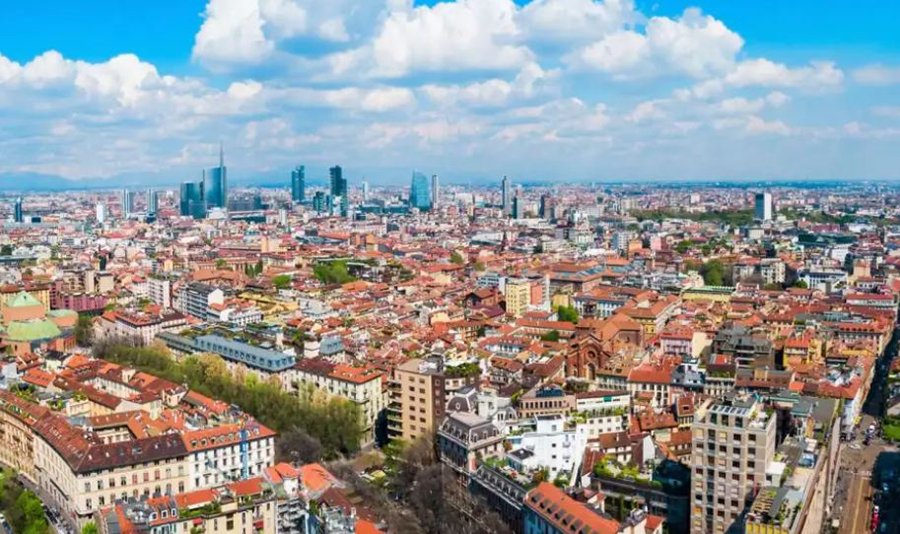
Across Europe, housing markets are increasingly displaying what economists describe as “phantom inflation.” Prices continue to rise even where income growth, demographics, and real housing need fail to justify such levels. In cities like Lisbon, “For Sale” signs no longer represent opportunity but signal a market that has drifted away from economic reality.
Portuguese real estate at the center of price distortion
Portugal has emerged as one of Europe’s most overvalued housing markets, with prices estimated to be roughly 35% above fair value. Mass tourism in Lisbon and Porto, the expansion of short-term rentals, and slow construction have hollowed out the long-term rental market. Public housing remains marginal, while lengthy permitting processes prevent supply from responding to demand.
Real estate investment and vacant housing stock
Rising purchases by pension funds, insurers, and investment vehicles have further distorted supply. These actors are less sensitive to local affordability and often tolerate vacancies as part of portfolio strategy. The result is a paradoxical mix of housing shortages and growing numbers of empty units, reinforcing artificial scarcity.
Housing prices in Eastern Europe
Similar dynamics are visible across Eastern Europe. In Hungary, Lithuania, and Czechia, housing prices have surged far faster than wages over the past decade. Tourism and years of cheap credit reshaped rental markets in Budapest, Vilnius, and Prague, leaving prices elevated even as monetary conditions tighten.
Real estate in the Baltic and Balkan countries
In the Baltics and parts of the Balkans, price growth is driven by slow construction, rising material and labor costs, and strong foreign demand. Cities such as Tallinn, Sofia, and major Polish urban centers now face widening gaps between housing costs and household incomes.
Housing market in Southern Europe
Spain, Greece, and Croatia illustrate how tourism can overpower regulatory efforts. Restrictions on short-term rentals have often failed to curb inflation, as demand remains strong and new development is slowed by bureaucracy. The market adjusts not through expanded supply, but through higher prices.
Property taxes in Europe
Notably, many of Europe’s most overheated housing markets rely least on property taxation. Low recurring taxes reduce the cost of holding property and encourage speculative or underutilized ownership. In contrast, countries with higher property tax burdens apply greater pressure to bring housing into active use.
Risks for real estate investment in Europe
If left unaddressed, phantom inflation threatens to turn housing from a perceived safe asset into a source of economic and social instability. Rising inequality, political backlash, and abrupt regulatory shifts could trigger sharp corrections rather than gradual adjustments.
As reported by experts at International Investment, Europe’s phantom housing inflation reflects systemic failures in supply, taxation, and urban policy rather than excess demand alone. Without faster construction, expanded public housing, and stronger incentives to utilize existing stock, price distortions will deepen, increasing long-term risks for investors and European economies alike.