







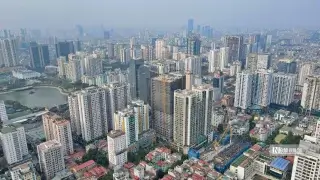
 Vietnam Mortgage Surge Pushes Homes Out of Reach
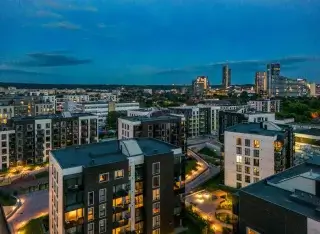 Lithuanian Apartment Prices Accelerate Across Major Cities
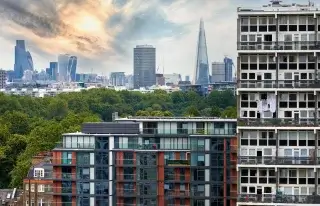 London Flats Lose Value Ahead of Leasehold Reform
 Construction of the Batumi–Sarpi Highway Begins in Georgia
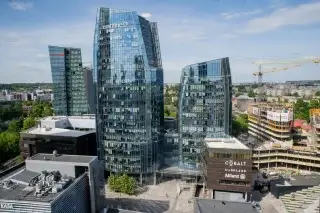 Baltic Property Investment Accelerates in 2026
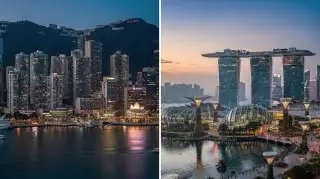 Hong Kong and Singapore Renew Their Expat Rivalry
Dubai Property Market Poised for Cooling After Years of Growth
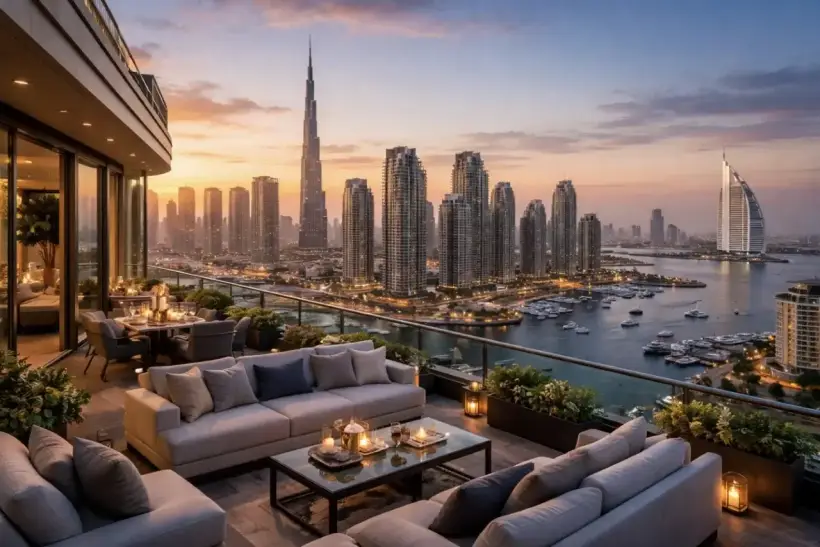
Moderate Price Growth Slowdown Expected in Dubai in 2026
The Dubai real estate market appears to be shifting from an extraordinary growth phase to a more balanced stage. According to Moody’s Ratings, after nearly five years of robust price increases and high transaction volumes across the UAE, the residential property sector is likely to experience a moderate cooling over the next 12 to 18 months. This anticipated slowdown reflects an increasing supply pipeline and evolving market dynamics rather than a market collapse.
Supply Surge to Temper Dubai real estate market Momentum
Moody’s highlights that approximately 180,000 new housing units are expected to be completed in Dubai between 2026 and 2028, averaging about 60,000 units per year. This significant influx of new inventory will help absorb demand but also temper further price acceleration, particularly in the mid-market apartment segment. The increase in supply is one of the primary drivers behind the forecasted moderation in price growth and developer sales.
Strong Fundamentals Underpinning Dubai real estate market Stability
Despite the forecasted cooling, key supporting factors for Dubai’s property market remain intact. Ongoing population growth and continued inflows of high-net-worth individuals support long-term demand, especially in premium real estate sectors. Moody’s also notes that major developers and banking institutions in the UAE possess robust financial profiles, enabling them to weather periods of slower sales and adjusted price trends without compromising stability.
Outlook for the Coming Years Dubai real estate market
Market analysts suggest that Dubai is entering a phase of market rebalancing, where rapid expansion gives way to a more sustainable growth trajectory. This evolving landscape offers opportunities for buyers in broader price segments and encourages investors to reassess timing and positioning strategies amid a maturing property market environment.
As reported by experts at International Investment, the combination of sustained demographic demand, increased housing supply, and continued interest from affluent global buyers positions Dubai’s property market for long-term resilience and diminishing volatility.