







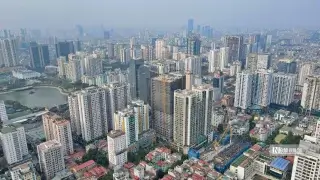
 Vietnam Mortgage Surge Pushes Homes Out of Reach
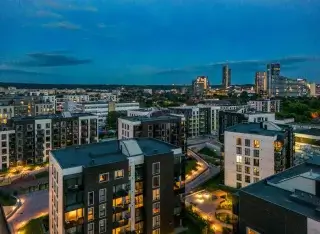 Lithuanian Apartment Prices Accelerate Across Major Cities
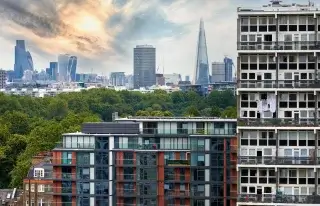 London Flats Lose Value Ahead of Leasehold Reform
 Construction of the Batumi–Sarpi Highway Begins in Georgia
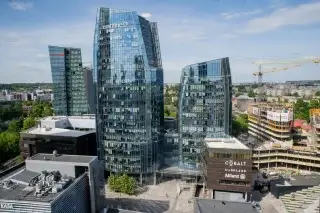 Baltic Property Investment Accelerates in 2026
 Hong Kong and Singapore Renew Their Expat Rivalry
Slovenia Faces Growing Affordable Housing Challenge
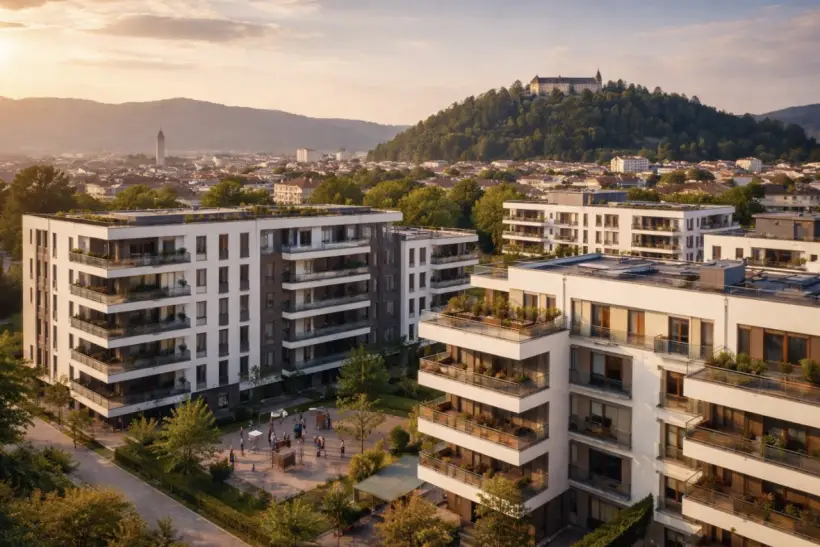
Prices rise despite falling transaction volumes
Slovenia’s residential real estate market continues to suffer from a chronic shortage of available housing, pushing prices higher even as transaction volumes decline. In 2024, property sales fell again, yet prices continued to rise. Since 2019, apartment prices have increased by 67%, house prices by 54%, and building land prices by as much as 72%. The rental market shows a similar pattern, with costs rising faster than household incomes.
Housing affordability under pressure
Housing costs in Slovenia frequently exceed 30% of a household’s gross income, including rent or mortgage payments and utilities. This threshold signals a structural affordability crisis, driven by limited supply, weak public rental housing and sustained investment demand.
Failed attempt to introduce a property tax
At the end of 2024, the Slovenian government proposed a new property tax aimed at easing housing pressures, but the initiative failed to pass. The proposal envisaged an annual tax of 1.45% on the estimated market value of residential properties and building land, with exemptions for primary residences and discounts for long-term rentals.
The plan faced strong opposition, as the proposed rate far exceeded those in most EU countries, where property taxes typically range from 0.1% to 0.5%. Critics also questioned its effectiveness in activating vacant housing and warned of potential constitutional challenges related to property rights.
Existing taxation of real estate
Despite the setback, there is broad consensus that property taxation requires reform. Slovenia currently relies on a fee for the use of building land and a property tax on homes exceeding 160 square metres. Property transfers are subject to a 2% real estate transfer tax, while new buildings and land are taxed at a VAT rate of 22%, or 9.5% for social housing. Capital gains tax no longer applies after 15 years of ownership.
Stricter regulation of short-term rentals
A new Hospitality Act adopted on September 25, 2025, introduced significant restrictions on short-term rentals conducted as an economic activity. These include mandatory registration, approval from co-owners in multi-unit buildings, public disclosure requirements and annual rental limits in municipalities facing housing shortages.
The rules do not apply to residential leases governed by the Housing Act, even when concluded for shorter periods. This regulatory gap may encourage legal arbitrage and is expected to be challenged before courts for compliance with constitutional and EU law.
Outlook for housing policy
Both the proposed property tax and the new rental restrictions reflect attempts to address Slovenia’s housing affordability problem. However, without a comprehensive reform encompassing public rental housing, tax incentives for long-term leases and reduced risks for landlords, their impact is likely to remain limited.
As experts at International Investment report, Slovenia’s housing market requires a long-term, integrated policy framework capable of restoring affordability while maintaining investor confidence and legal certainty.