







 Fines for Illegal Rentals in Spain Reach €800,000
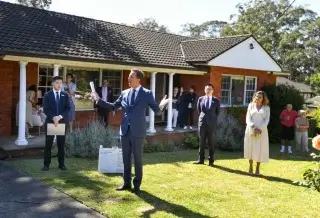 Australia’s Spring Auctions Rise but Remain Well Below 2025
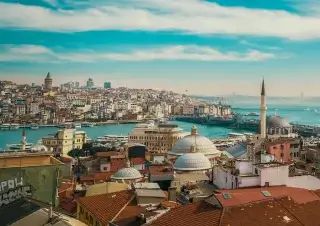 Number of Foreigners Holding Turkish Residence Permits Exceeds 1.27 Million
 Demand from Russian Tourists for Holidays in Georgia Rises by 20–25%
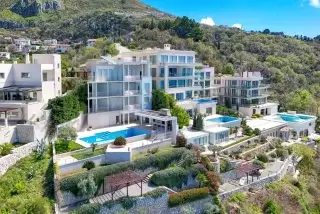 Montenegro Property Buying Costs in 2026
 Four in Ten Companies Would Not Choose Slovakia
Palma Becomes Spain’s Most Expensive City

Palma Leads Spain’s Property Market
The capital of the Balearic Islands has officially become Spain’s most expensive city for property purchases. Recent market data indicate that average housing prices in Palma have surpassed those in traditional mainland leaders such as Madrid and Barcelona, marking a significant shift in the country’s real estate hierarchy.
Average prices in prime areas exceed €4,000 per square meter, with substantially higher levels in luxury districts. This positions Palma among the most exclusive property markets in Southern Europe.
Why Palma Surpassed Madrid and Barcelona
Palma’s pricing strength reflects a structural imbalance between supply and demand. Mallorca’s island geography limits outward expansion, while strict planning regulations constrain new development. This creates natural scarcity in a market already experiencing strong buyer interest.
At the same time, Palma offers a combination of Mediterranean climate, high-quality infrastructure, international connectivity, and lifestyle appeal. A modern airport, port facilities, and a network of international schools reinforce its attractiveness for foreign residents and relocating families.
Price Growth and Market Segmentation
Recent years have seen consistent double-digit price growth in certain segments, particularly in the premium and luxury markets. New developments are predominantly positioned at the high end, reducing the availability of mid-range and affordable housing.
Price pressure has spread beyond central Palma into suburban and coastal areas, extending the upward trend across Mallorca. Locations previously considered accessible have entered higher price brackets due to spillover demand.
International Demand Driving the Surge
Foreign buyers play a decisive role in Mallorca’s property dynamics. Investors and second-home buyers from Germany, the United Kingdom, and Scandinavia remain particularly active. The expansion of remote work has further strengthened demand, allowing professionals to relocate while maintaining international careers.
Spain’s legal stability, tourism-driven rental market, and perceived long-term capital appreciation potential continue to underpin investment flows into Palma’s property sector.
Affordability Challenges for Local Residents
Rising property values have intensified affordability concerns for local residents. The gap between average incomes and housing prices has widened, pushing many households toward rental markets or peripheral areas.
Policymakers face the challenge of balancing economic benefits from foreign investment with the need to preserve accessible housing options and social cohesion within the island’s communities.
Outlook for Palma’s Real Estate Market
Current indicators suggest sustained demand combined with structurally limited supply. In the near term, these fundamentals support continued price resilience and reinforce Palma’s position as Spain’s most exclusive housing market.
As reported by experts at International Investment, Palma’s real estate sector is structurally supported by global capital inflows and limited development capacity, though long-term sustainability will depend on achieving a balance between investment attractiveness and housing accessibility.