







read also
 Vietnam Mortgage Surge Pushes Homes Out of Reach
 Lithuanian Apartment Prices Accelerate Across Major Cities
 London Flats Lose Value Ahead of Leasehold Reform
 Construction of the Batumi–Sarpi Highway Begins in Georgia
 Baltic Property Investment Accelerates in 2026
 Hong Kong and Singapore Renew Their Expat Rivalry
Winter storm in the U.S. kills more than 50 people
Powerful cyclone brings heavy snowfall and sharp drop in temperatures
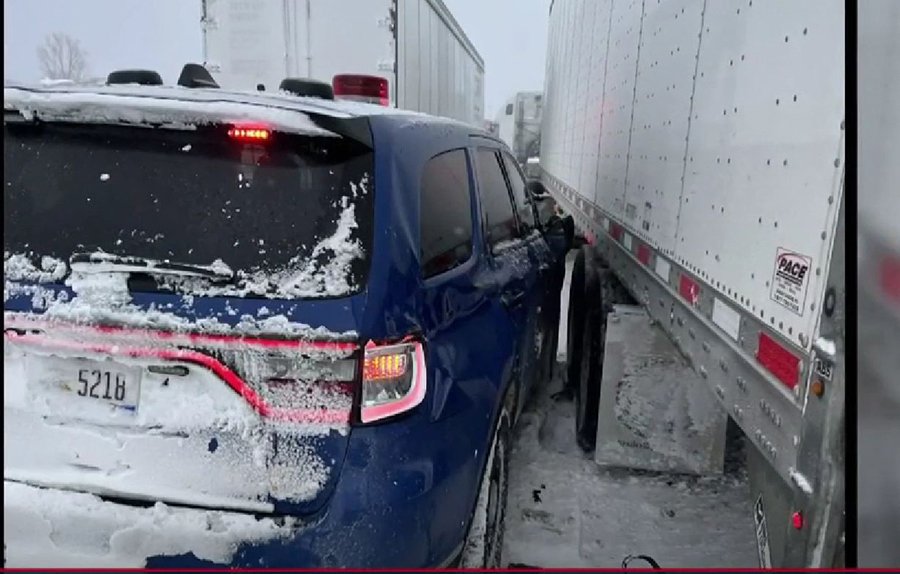
Photo: NBC News
In late January, a large-scale winter storm hit the United States, triggered by an atmospheric cyclone. Heavy snowfall and a sharp drop in temperatures affected several states and led to numerous emergency situations. According to the latest estimates, at least 51 people have died, NBC News reports.
Weather conditions
The winter storm was accompanied by a sharp decline in temperatures and intense precipitation across a large part of the United States. Adverse weather conditions affected regions from the southern states to the Northeast, with some areas recording seasonally abnormal readings.
More than 50 cm of snow fell in Pittsburgh. In some areas, temperatures dropped to minus 25 degrees, significantly complicating the work of municipal and emergency services. In the northern part of New York State, snowfall persisted for several days, hampering road clearing and transport movement.
Victims of the winter storm
Authorities in Louisiana and Tennessee confirmed eight deaths in each state. In Kentucky, a 72-year-old woman died from hypothermia, and another person died while clearing snow and ice at a correctional facility. In New York, authorities reported ten deaths of people found on city streets. The causes of death are being clarified, but all cases occurred amid extremely low temperatures.
Power supply
The winter storm caused large-scale disruptions to electricity supply. Hundreds of thousands of consumers were left without power, with the most serious outages recorded in southern states where frost and ice damaged power lines. Low temperatures complicated the operation of heating systems and increased pressure on emergency services.
Transport disruptions
Roads were closed in many regions, and air travel was also disrupted. On January 28, 2026, 2,042 flights were canceled, and another 4,277 were delayed. The most difficult situation was at Dallas–Fort Worth airport, where more than 500 cancellations were recorded in a single day. In New York, LaGuardia, JFK, and Reagan National airports faced prolonged delays, with average waiting times exceeding two hours.
Significant disruptions were also reported in Miami, Boston, Chicago, Philadelphia, and Atlanta. Additional strain on the aviation system was caused by mandatory de-icing procedures and reduced runway capacity.
Response measures
Emergency units were placed on heightened alert. Equipment and personnel were deployed to clear roads and restore infrastructure, and National Guard units were involved in the response efforts.
In major cities, warming centers and temporary shelters for the homeless were opened. Municipal services advised residents to limit travel, pay close attention to elderly people, and promptly report emergency situations. Restoration of power supply and transport services continued around the clock.
Conclusion
Analysts at International Investment note that the situation once again demonstrated the vulnerability of U.S. infrastructure to extreme winter events. The combined impact of frost, snowfall, and ice quickly disables energy systems and transport hubs, while the consequences of such events take on a nationwide scale. The frequency and intensity of such weather episodes increase the relevance of investments in infrastructure resilience and emergency response systems.