







 How Ukraine’s New-Build Housing Market Has Changed Over Four Years
 European Prime Rents Rise as Property Yields Turn Higher
 The Most Expensive Airlines in Europe in 2026
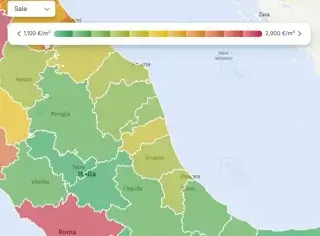 Housing Prices in Italy Reach a Two-Year High
 Travellers Increasingly Choose Cooler Scandinavia
 Serbia Property Sales Decline as Transaction Value Rises
Ben Gurion Airport Fully Resumes Operations
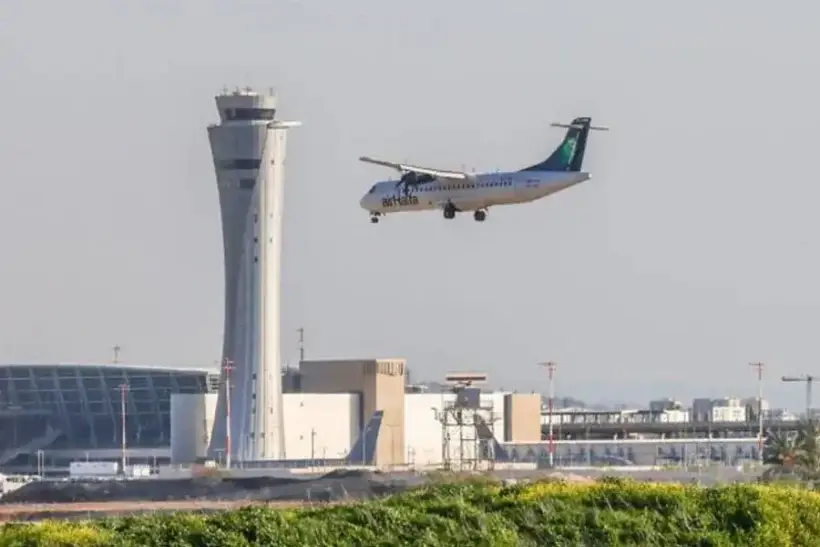
Israel is opening its airspace and resuming regular flights at Tel Aviv’s Ben Gurion International Airport starting April 9. The decision follows the announcement of a ceasefire with Iran. The airport hub is prepared to operate at full capacity, including Duty-Free and all terminal services, although some restrictions remain, reports Times of Israel.
Flights During the Middle East Conflict
Since the start of the conflict, Israel partially reopened Ben Gurion in early March for limited flights operated by Israeli airlines — El Al, Arkia, Israir, and Air Haifa — to repatriate citizens stranded abroad and assist travelers within the country. The number of passengers on departing flights was restricted: initially set at a minimum of 50, then 80 and 100. Limits did not apply to arriving flights; however, takeoffs and landings were restricted to one flight per hour. For foreign carriers, Israel’s airspace was closed from February 28, and these rules remained in effect until the final days.
Gradual Resumption of Flights in Israel
On the night of April 8, the US and Iran agreed on a ceasefire, the terms of which are still under discussion. Israel supported this decision and then moved to fully reopen Ben Gurion Airport. Flights will also resume shortly at Herzliya and Eilat airports, while the return of flights to Haifa will be considered by the end of the week depending on the security assessment, as the ceasefire with Iran does not cover Lebanon.
Sharon Kedmi, Director General of the Israel Airports Authority, emphasized that airport staff were not placed on unpaid leave during the war, allowing preparations for a swift return to work. Ben Gurion’s infrastructure has been readied for increased passenger flow.
Plan for Expanding Israeli Airline Flights
Arkia and Israir have announced their readiness to gradually expand flights following the ceasefire announcement. Arkia plans flights to Athens, Larnaca, Rome, Vienna, London, Amsterdam, Paris, Bangkok, New York, and Budapest, giving priority to passengers whose tickets were canceled during the war. Full-scale operations for Arkia are expected by May 3, if conditions remain stable.
Israir plans flights to Athens, Larnaca, Budapest, Tbilisi, Batumi, Rome, Berlin, and Rhodes. National carrier El Al is preparing to gradually return to a regular schedule, expanding flights from eight to 30 destinations. These include many European capitals, as well as Batumi, Tbilisi, and Moscow. Long-haul routes include Bangkok, Phuket, Tokyo, New York, Los Angeles, and Miami.
El Al representatives noted that due to operational complexity and schedule reorganization, the return to routine flights cannot happen all at once. Some flights may be changed or canceled in the coming period. The airline is contacting passengers whose flights were canceled during the war to confirm their travel plans, after which remaining seats will be opened for public sale.
Gradual Return of Foreign Airlines to Israel
Foreign companies and regulators have been notified about the return to normal operations. However, the Israel Airports Authority stressed that the resumption will be gradual and depends on approval by regulatory authorities. Foreign airlines are awaiting final permission to resume flights, with most monitoring the two-week ceasefire with Iran and subsequent developments.
Hungarian airline Wizz Air has extended the suspension of flights to Israel until April 27, emphasizing that passenger, crew, and aircraft safety remain the top priority. Etihad Airways and Ethiopian Airways plan to resume flights on April 16, while US carriers, Air Canada, and easyJet are unlikely to return until the end of summer.
Transport Minister Miri Regev previously emphasized: “Returning to normal operations will occur as soon as it is feasible. We are constantly in touch with foreign companies and will only know when they return at the end of the war. Those who postponed trips until September can move them to earlier dates.”
Cautious Optimism
The 40-day war has been suspended, but uncertainty remains over the durability of the ceasefire with Iran. The Ministry of Defense lifted most wartime restrictions, except in northern areas where hostilities continue: Israel is targeting Hezbollah positions in Lebanon, and Iran-backed forces continue firing rockets at Upper Galilee. Schools are set to reopen on April 9, but it remains unclear if all institutions will be ready to receive students on time.
Investors show cautious optimism: Tel Aviv Stock Exchange indices are expected to rise, and the shekel is likely to strengthen in the currency market. The ceasefire remains fragile, as noted earlier by US Vice President JD Vance. Countries have already started reporting violations, which could lead to further escalation of the conflict.