







 Scammers Target Tourist Parks Across Australia
 Serbia Plans Unified Real Estate Listings Database
 "Emotions are Georgia": Georgia's Tourism Roadshow in Kazakhstan
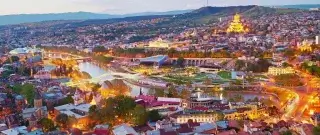 74% of Apartments Sold in Tbilisi Projects Due for Delivery in 2027
 New Boulevard Leads in Sales, Old Batumi in Prices: Fresh Batumi Real Estate Trends by District
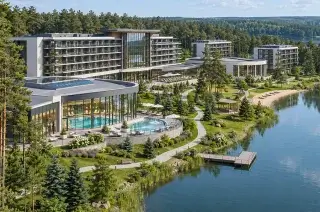 Belarus Attracts Investors to Resort Projects
Bulgarian Hotels Post Higher Revenue Despite Weaker Demand
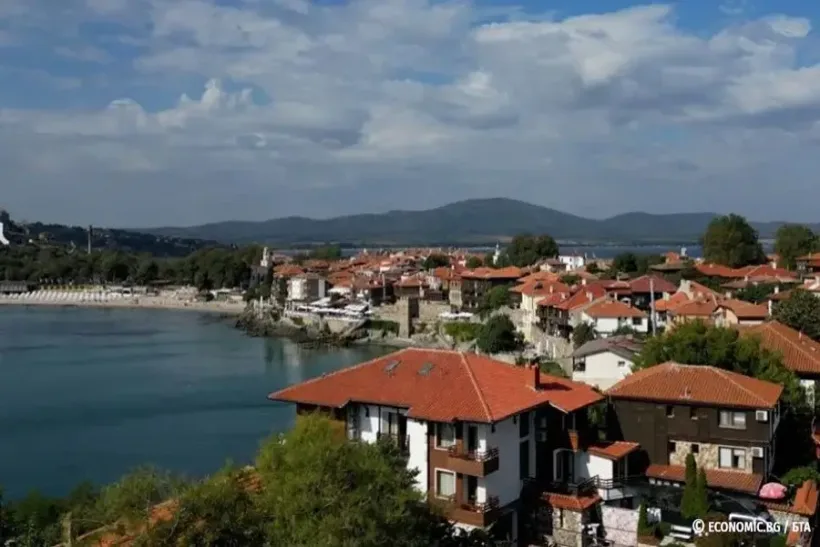
Hotels in Bulgaria generated €384.5 million in accommodation revenue in August 2026, up 13.3% year on year. However, overnight stays fell by 2%, while occupancy declined to 56.5%, according to Bulgaria's National Statistical Institute (NSI). International visitors and Black Sea resorts accounted for most of the revenue. Rising receipts despite softer demand raise questions about hotel profitability.
Hotel Revenue in Bulgaria
In August 2026, hotels and other accommodation establishments in Bulgaria recorded 6.29 million overnight stays. Foreign tourists accounted for 4.02 million nights and €270.5 million in revenue—more than 70% of the total. Domestic guests generated 2.27 million overnight stays and €114 million.
A total of 1.64 million guests stayed in accommodation establishments during the month, 0.8% fewer than in August 2025. The number of international guests fell by 2.2%, while domestic visitors increased by 1%. Average stays were 4.5 and 3.1 nights, respectively.
International and domestic demand, August 2026
|
Metric |
International visitors |
Bulgarian residents |
|
Overnight stays |
4.02 million |
2.27 million |
|
Hotel revenue |
€270.5 million |
€114 million |
|
Average length of stay |
4.5 nights |
3.1 nights |
Average revenue per overnight stay rose from €53 in August 2025 to €61 in August 2026. This figure is calculated by dividing total accommodation revenue by the number of overnight stays; it is not the average room rate. It measures changes in receipts per night but does not isolate the effects of pricing or the mix of guests.
Hotel Occupancy in Bulgaria
In August 2026, 3,836 hotels and other accommodation establishments were operating in Bulgaria, up 1.7% year on year. The total number of rooms reached 153,600, with 357,400 bed places available—0.5% more than in August 2025. Average occupancy nevertheless fell by 1.3 percentage points to 56.5%.
The highest occupancy was recorded in 4–5-star hotels at 72%, compared with 48.6% for 3-star properties and 33.1% for 1–2-star establishments. The upscale segment therefore saw considerably stronger demand than budget accommodation.
Hotel occupancy by category, August 2026
|
Category |
Occupancy |
|
4–5 stars |
72% |
|
3 stars |
48.6% |
|
1–2 stars |
33.1% |
|
National average |
56.5% |
Hotels rated 4–5 stars accounted for 78.7% of overnight stays by foreign tourists. Among Bulgarian residents, the share was much lower, at 43.2%. Domestic travelers more often opted for lower-priced categories.
Bulgarian Resorts
Bulgaria's Black Sea coast generated most accommodation revenue in August. Burgas Province recorded 3.1 million overnight stays and €190.9 million in revenue; Varna Province, 1.38 million nights and €91.2 million; and Dobrich Province, 556,000 nights and €38.8 million. Together, the three regions represented about 80% of overnight stays and more than 83% of accommodation revenue nationwide.
Sofia recorded 225,000 overnight stays and €12.8 million in revenue over the same period. This contrast illustrates the scale of peak-season beach tourism, not annual profitability. Coastal resorts depend more heavily on summer arrivals, while city hotels welcome business and leisure travelers throughout the year.
Overnight stays and hotel revenue by region, August 2026
|
Region |
Overnight stays |
Revenue |
|
Burgas Province |
3.1 million |
€190.9 million |
|
Varna Province |
1.38 million |
€91.2 million |
|
Dobrich Province |
556,000 |
€38.8 million |
|
Sofia |
225,000 |
€12.8 million |
Seasonality matters when assessing hotel real estate because fixed costs continue after summer ends. Wellness programs, conferences and services aimed at different visitor groups can help extend the operating season. Their success depends on a property's location, accessibility and demand.
Tourism in Bulgaria: Prices and Demand
Some families shortened their holidays in Bulgaria from seven to ten days to three or four days, or even a weekend, Pavlin Kosev, chairman of the Varna Association of Restaurateurs and Hoteliers, told Economic.bg. He described the season as good but not exceptional. Well-located hotels offering reasonable prices were better able to retain customers.
Konstantin Zankov, an expert at the Institute for Analysis and Assessment in Tourism, highlighted the benefits of quality service and effective marketing. Kosev pointed to rising costs despite rates having been agreed with tour operators in advance. Bulgaria's first summer season after adopting the euro brought closer scrutiny of prices, although the currency change alone does not explain shifts in demand. Higher revenue does not necessarily mean a corresponding increase in profit.
In September, foreign visitor arrivals to Bulgaria fell by 4.1% to 1.25 million, according to NSI. Leisure visits declined by 3.1%, while transit journeys accounted for 31.2% of inbound visits. These figures measure border crossings, not overnight stays. The September accommodation report is scheduled for November 11, 2026, so revenue cannot yet be assessed.
Outlook for Bulgaria's Hotel Market
According to analysts at International Investment, rising revenue alongside fewer overnight stays is not necessarily evidence of a stronger hotel market in Bulgaria. Higher receipts may reflect room rates or changes in the mix of bookings, but they do not in themselves indicate higher profits. Lower occupancy and additional expenses may offset the financial gains. Significant differences between hotel categories suggest that performance can vary considerably across market segments.
The decline in international visitors poses a particular risk to upscale hotels, which account for most foreign-tourist overnight stays. Modest growth in domestic tourism may not offset the drop, since local travelers are more likely to choose affordable accommodation. Consequently, premium resort hotels could face weaker performance even if the industry's overall revenue remains stable.
When evaluating hotel investments, investors should examine several seasons of financial data, including monthly occupancy, average daily rate, revenue per available room (RevPAR), operating profit and maintenance and refurbishment costs. Tour-operator contracts, the share of direct bookings and the ability to attract guests outside the peak season also matter. The key takeaway is that August's revenue growth does not guarantee improved profitability. A purchase or development decision requires a financial model for the individual property.
FAQ: Hotels in Bulgaria
How much revenue did Bulgarian hotels generate in August 2026?
Hotels and other accommodation establishments earned €384.5 million, up 13.3% from August 2025.
Why did revenue rise even though overnight stays declined?
Overnight stays fell by 2%, but revenue per night increased from approximately €53 to €61. Room rates and changes in the booking mix may have contributed, but the exact impact of each factor is not known.
What was the hotel occupancy rate in Bulgaria?
Average occupancy in August stood at 56.5%. It was higher in 4–5-star hotels (72%) than in 3-star hotels (48.6%) and 1–2-star properties (33.1%).
Which Bulgarian regions earned the most accommodation revenue?
Burgas Province led with €190.9 million, followed by Varna Province (€91.2 million) and Dobrich Province (€38.8 million). Together, they accounted for more than 83% of national accommodation revenue in August.