










The Short-Term Rental Market in Tirana: Yields, Seasonality, and Risks
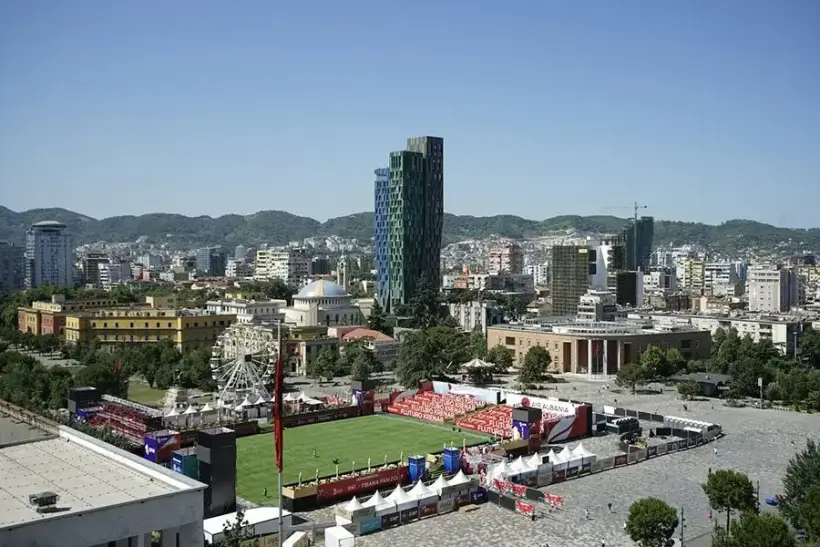
The short-term rental market in Tirana is characterized by a low level of regulation, which preserves a high degree of flexibility for property owners. Data from AirROI indicate pronounced demand seasonality and a significant spread in income levels between properties. Against the backdrop of a predominance of small apartments, this makes management strategy and pricing policy key determinants of financial performance.
Key Data on Short-Term Rentals in Tirana
The short-term rental market in Tirana is the largest in Albania in terms of supply volume. The city has around 2.5 thousand active Airbnb listings. The average daily rate is about $56, while the typical annual income per property is approximately $6.6 thousand, reflecting moderate yields amid high competition.
Average market occupancy stands at around 40%. At the same time, profitability indicators vary significantly between properties, which reduces the informational value of averages and highlights the market’s heterogeneity. The top 10% of listings earn more than $1.4 thousand per month, the median level is about $630, and the lower tier is around $300 per month. This dispersion points to the decisive role of location, property characteristics, and the management model.
The supply structure is skewed toward compact formats. About two-thirds of listings are one-bedroom apartments, and nearly 90% of the market consists of one- to two-bedroom units aimed at short-term tourist and business stays.
Seasonal Differences in the Rental Market in Tirana
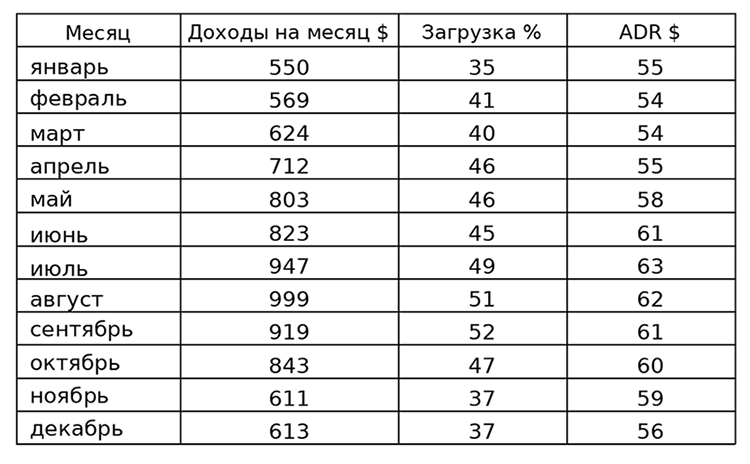
The highest income levels in Tirana are recorded during the summer and early autumn. The absolute peak falls in August, at around $1,000 per month. During this period, occupancy reaches 51%, while the average daily rate stands at $62. Income growth is driven by stronger demand while elevated pricing is maintained.
September is almost as efficient as August. Monthly income amounts to around $919, with this month recording the highest occupancy of the year at 52%. ADR declines slightly to $61, but higher booking density offsets this decrease, indicating the continuation of the active season after the summer peak.
July represents another peak period. Income reaches approximately $947 with occupancy at 49%. At the same time, the average rate rises to $63 — the highest level of the year. In this case, growth is driven primarily by pricing rather than maximum occupancy.
The weakest indicators are observed in winter. January remains the lowest-performing month, with income falling to $550 and occupancy at a minimum of 35%. The average daily rate is $55, indicating a decline in demand without pronounced price dumping. November and December also fall into the low-demand period. In both months, occupancy stands at 37%, one of the lowest levels of the year. At this level of occupancy, income is maintained in the $611–613 range, while ADR remains at $56–59. By year-end, the market reaches a trough in occupancy, but pricing levels are preserved, and the decline in income is driven primarily by weaker demand.
Overall, the Tirana market demonstrates pronounced seasonality in occupancy: the gap between minimum and maximum values reaches nearly 17 percentage points. At the same time, the average daily rate fluctuates within a relatively narrow range of $54–63 throughout the year. As a result, seasonal income swings are driven mainly by demand dynamics, while pricing plays a secondary, smoothing role.
Attractive Areas for Renting Property in Tirana
The short-term rental market in Tirana is marked by pronounced intra-city differentiation. Yields and demand stability largely depend on the district, its tourist appeal, transport accessibility, and guest profile. Several locations are considered particularly attractive for Airbnb properties.
Blloku is one of the most sought-after districts in the city, oriented toward a younger audience, tourists, and digital nomads. The area is known for its high concentration of cafés, restaurants, and nightlife, which ensures stable demand and higher rates. Proximity to the Pyramid of Tirana, the Grand Park, and cultural venues makes it one of the most liquid segments of the market.
Tirana city center is the historical and tourist core of the city, appealing to visitors who want to stay within walking distance of key attractions. This area enjoys steady demand due to its proximity to Skanderbeg Square, the National Historical Museum, and Et’hem Bey Mosque. It is well suited for short city breaks and tourist visits.
Koli Miri is a developing district with a calmer atmosphere and a significant amount of green space. It attracts guests seeking tranquility and longer stays while remaining close to the city center. Proximity to the Artificial Lake and the Botanical Garden enhances its appeal outside the peak tourist season.
Selita is a predominantly residential area suitable for family guests and longer-term stays. Tourist activity is lower here, but demand is more stable from tenants seeking comfortable housing away from the noisy center. The district offers park areas and urban infrastructure.
Selman Stërmasi Stadium is an area of active development near the central part of the city. It attracts sports fans, business travelers, and tourists who value transport accessibility without staying directly in the city center. Proximity to Blloku and the Pazari i Ri market broadens demand potential.
Petrela is a suburban location with a distinct tourist profile. It caters to guests looking for a combination of nature, panoramic views, and historical context. It is suitable for niche properties focused on longer stays and pronounced seasonality.
Kavaja Street is a busy urban artery with dense retail and dining infrastructure. It attracts guests interested in local experiences and more affordable pricing. The area is suitable for mass-market properties with high turnover.
Tirana Lake is an area oriented toward leisure and an active lifestyle. The district appeals to tourists who prefer quieter accommodation close to nature while retaining access to urban infrastructure. It is especially in demand during the warmer season.
Recommendations for Real Estate Investment in Albania
Analysts at International Investment note that Albania remains one of the few markets in Europe where ongoing property price growth is combined with a relatively low entry threshold and high yields in the short-term rental segment, especially in resort locations. Compared with Southern Europe, the market appears more affordable and flexible, which supports investor interest. At the same time, the Albanian real estate market remains weakly structured and carries elevated legal, infrastructure, and operational risks.
Issues with property rights transparency, registration, illegal construction, and build quality are compounded by limited secondary market liquidity and high income seasonality. The absence of mortgage financing for foreigners, currency and tax uncertainties, and regulation dependent on political will further raise due diligence requirements. Under these conditions, investments in Albania require thorough legal support, conservative yield assessments, and readiness to factor in long-term risks alongside current opportunities.