







read also





Sheremetyevo Airport suspends arrivals
Snowfall disrupts flight schedules in Moscow
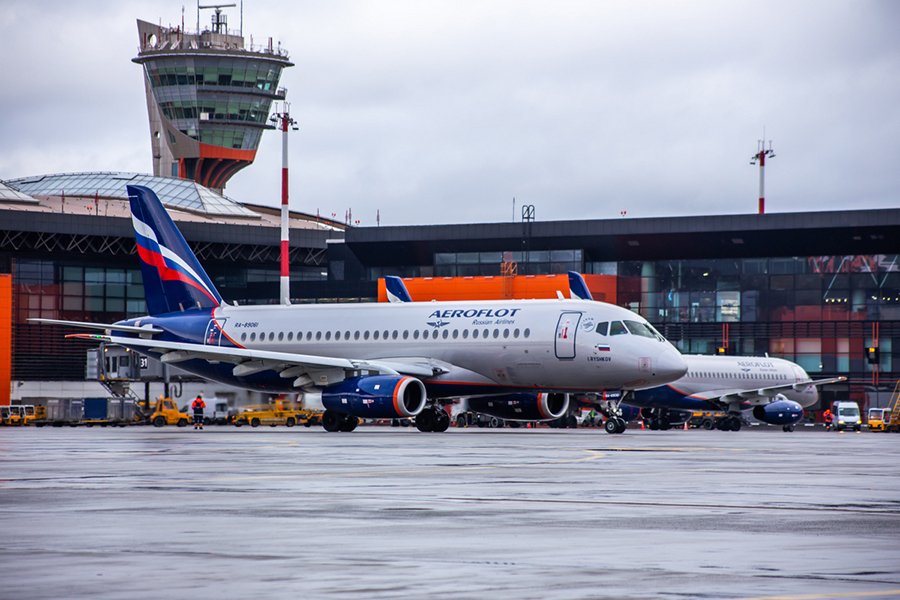
Photo: Msk novosti
Moscow’s Sheremetyevo Airport restricted incoming flights on January 27 from 9:00 to 12:00 local time due to heavy snowfall. The measure is linked to flight safety requirements amid worsening weather conditions. Airlines are adjusting schedules, and passengers are advised to check their flight status before heading to the airport.
What is happening in the Russian capital
Pobeda has transferred some flights to Vnukovo, Msknovosti reports. Other carriers are also looking for alternative options. The Moscow Interregional Transport Prosecutor’s Office is conducting supervisory measures in connection with delays at Sheremetyevo.
Vnukovo reported operating as normal: the situation in the terminal remains calm, with no queues or crowds of passengers. The apron, parking areas and aircraft are being treated with special reagents. The airport warned of possible minor delays. At Domodedovo, schedule deviations may reach up to 30 minutes due to runway clearing. Zhukovsky Airport is receiving and dispatching flights without restrictions, and no weather-related delays have been recorded.
Orange weather alert
The Hydrometeorological Center warned of heavy snowfall in Moscow from January 27 to 29. The deterioration in weather is attributed to the weakening of the Siberian anticyclone and the inflow of warmer air masses from the west and southwest. An orange weather alert is in effect in the capital. The Moscow Department of Transport recommended that residents use the metro where possible and temporarily avoid traveling by private cars.
Booking system disruption
It should be recalled that on January 26 Russia experienced a large-scale disruption in the Leonardo booking system (Sirena-Travel). Problems with passenger and baggage check-in, as well as ticket issuance, affected several Russian carriers and Belarusian airline Belavia.
Aeroflot and its subsidiary Rossiya canceled more than 20 flights from Moscow to various Russian cities. Flights to Minsk and Yerevan were also canceled, and more than ten flights were delayed. Similar problems were reported by Pobeda, Azur Air and Yamal.
Sochi and St. Petersburg airports switched to manual operations and warned passengers about possible longer processing times. At Sheremetyevo, 33 flights were canceled from 16:00 until the end of the day; at Vnukovo, 20 flights were delayed; at Domodedovo, seven flights were affected; and at Zhukovsky, two. According to the Association of Tour Operators, the incident affected about 20,000 passengers.
Growth in large-scale delays
Kommersant, citing data from AlfaStrakhovanie, reports that in 2025 the share of flights delayed by more than three hours doubled compared to 2024 and reached 4% of all flights. About 4.5 million passengers waited more than three hours for departure.
In total, around 865,000 flights were analyzed in 2025, with every eighth flight delayed by at least one hour. The number of insurance cases related to delays and cancellations almost quadrupled, exceeding 133,000. The share of flights operated on schedule with a deviation of no more than 15 minutes fell from 71% to 59%. In 2023, it exceeded 80%.
The key reason cited is restrictions on airport operations due to the threat of drone attacks. In 2024, full airspace closures were more common, while in 2025 Rosaviatsia and the military increasingly used partial restrictions, allowing some flights to operate along safe routes.
The most punctual terminals
In the Moscow aviation hub, Sheremetyevo and Domodedovo remain the most punctual: about half of all flights departed on time. At Vnukovo and Zhukovsky, the share of strictly on-time departures fell to 32% and 36%, respectively. Industry representatives note that manual control and micromanagement have been strengthened at major airports, while such mechanisms are less developed in regional hubs. Experts also point to problems with passenger notifications and low compensation for long delays, which increases customer dissatisfaction and raises financial risks for airlines.
Conclusion
Analysts at International Investment note that the combination of weather factors, technical failures and regular restrictions at airports makes schedules at major aviation hubs less predictable. This increases the burden on ground services and passenger information channels, while raising service costs. As a result, passengers increasingly need to allow extra time for travel to airports and connections, and airlines have to prepare in advance for scenarios involving the redistribution of flights between airports. This has a negative impact on the tourism industry and business travel.
Подсказки: Sheremetyevo, Moscow airports, flight delays, snowfall, aviation, airlines, Russia, weather, travel disruptions