







 China Nears a Decision on Fresh Stimulus
 Fines for Illegal Rentals in Spain Reach €800,000
 Australia’s Spring Auctions Rise but Remain Well Below 2025
 Number of Foreigners Holding Turkish Residence Permits Exceeds 1.27 Million
 Demand from Russian Tourists for Holidays in Georgia Rises by 20–25%
 Montenegro Property Buying Costs in 2026
Rate held as uncertainty dominates outlook
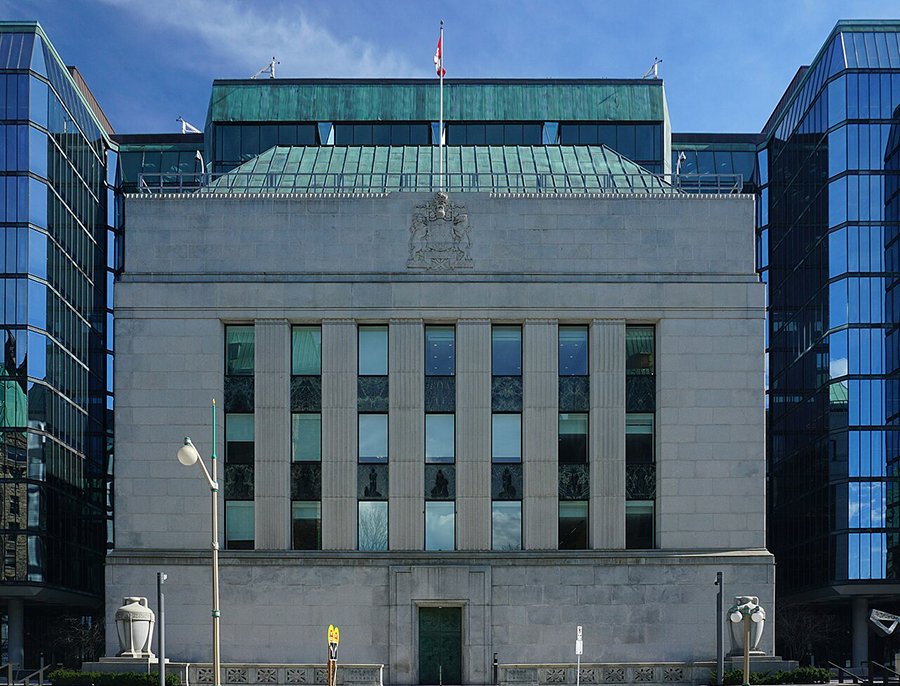
The Bank of Canada kept its benchmark interest rate unchanged at 2.25% following its January policy meeting, matching market expectations and economists’ forecasts. It was the second consecutive decision to leave borrowing costs steady, yet policymakers made it clear that the pause does not imply confidence about the future direction of rates.
Governor Tiff Macklem stressed that Canada’s economy is adjusting to structural headwinds driven by US protectionist trade policies. Elevated uncertainty, he said, makes it difficult to assess both the timing and direction of the next policy move.
Measured market response reflects cautious confidence
The Canadian dollar strengthened against the US dollar after the announcement, reaching its strongest level since late 2024, while government bond yields remained largely unchanged. This muted reaction suggests investors view the decision as neutral, with the central bank signaling patience rather than a firm commitment to either easing or tightening.
Officials reiterated that the current policy rate remains appropriate, provided the economy evolves broadly in line with the central bank’s latest projections. At the same time, they emphasized readiness to act should conditions deteriorate or inflation risks intensify.
Growth outlook shaped by trade tensions
In its updated Monetary Policy Report, the Bank of Canada forecast economic growth of 1.1% this year and 1.5% in 2027, broadly in line with earlier estimates. Output is expected to stall in the final quarter of 2025, although the damage from tariffs has proven less severe than initially feared, prompting an upward revision to last year’s growth figures.
The upcoming review of the US-Mexico-Canada Agreement remains a major risk factor. Recent threats of sharply higher US tariffs have added to uncertainty, weighing on business investment decisions and household confidence.
Labour market pressures and inflation dynamics
The impact of tariffs is already visible in Canada’s labour market. Early in 2025, tariff-exposed sectors reduced output and employment. Conditions improved later in the year, yet unemployment remains elevated, particularly among younger workers, while hiring intentions across industries stay subdued.
Inflation is expected to hover close to the 2% target throughout the forecast horizon. Trade-related cost pressures are being offset by excess supply, according to the central bank. Core inflation measures have eased, reinforcing the case for a wait-and-see approach, even as policymakers acknowledge upside and downside risks.
Why the pause may last longer
The Bank of Canada raised its estimate of potential economic growth, implying that slack in the economy will persist through 2027. Household spending is projected to rise moderately, supported by past rate cuts and growing disposable incomes, while business investment is expected to recover only gradually as firms adapt to a more fragmented trade environment.
Macklem underlined the limits of monetary policy, noting that interest rates cannot offset structural damage from tariffs or target support to specific sectors affected by trade disruptions.
International Investment expert insight
As International Investment experts report, the Bank of Canada’s decision highlights a cautious recognition of external vulnerabilities rather than confidence in a strong recovery. A prolonged rate pause now appears the most likely scenario, with future policy moves driven less by inflation trends and more by trade negotiations and labour market resilience. For investors, this underscores the importance of factoring geopolitical risks into assessments of Canada’s economic and financial outlook.