







 Turkey Is Losing Its Cheap-Holiday Advantage
 Development Is Rewriting Southeast Asia’s Historic Districts
 How Ukraine’s New-Build Housing Market Has Changed Over Four Years
 European Prime Rents Rise as Property Yields Turn Higher
 The Most Expensive Airlines in Europe in 2026
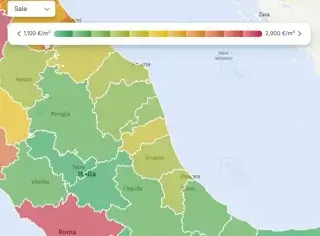 Housing Prices in Italy Reach a Two-Year High
REUTERS
Oil transport collapses as crisis deepens
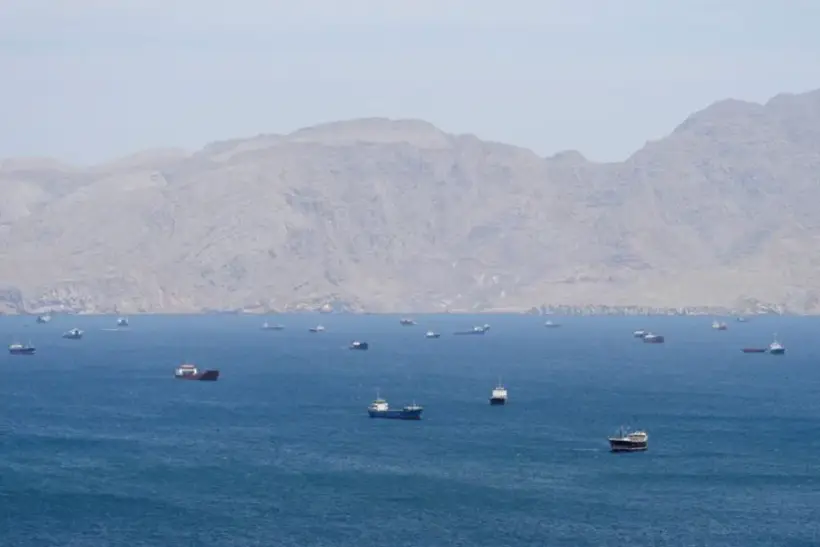
Shipping through the Strait of Hormuz, the world’s most critical oil chokepoint, has fallen to near zero as a dual blockade by Iran and the United States disrupts global trade flows. Bloomberg reports that vessel transits have effectively collapsed, marking one of the most severe energy supply shocks in recent decades.
The Strait of Hormuz connects the Persian Gulf with global markets and normally carries about 20% of global oil supply and a significant share of liquefied natural gas.
Ship traffic drops from over 100 to near zero
Before the conflict, more than 100–130 vessels transited the strait daily. Following military escalation and reciprocal restrictions, traffic has plunged to fewer than 10 ships per day, with some days seeing almost no movement at all.
Bloomberg attributes the collapse to a “dual blockade,” with Iran restricting passage through the strait while the US blocks Iranian ports, effectively halting commercial shipping.
Insurance costs, security risks and direct attacks on vessels have forced most shipping companies to suspend operations in the region.
Hundreds of vessels stranded or rerouted
Hundreds of ships remain stuck in the Persian Gulf or are rerouting via longer global paths. Alternative routes around the Cape of Good Hope add up to two weeks to delivery times and significantly increase freight costs.
Western shipping companies have largely withdrawn from the route, while limited traffic continues under highly restricted conditions.
Oil markets react with sustained price pressure
The disruption affects up to one-fifth of global oil supply, creating a structural shock for energy markets.
Oil prices remain above $100 per barrel, reflecting supply constraints and geopolitical risk.
Liquefied natural gas flows are also affected, increasing pressure on energy-importing regions such as Europe and Asia.
Global trade faces renewed disruption
The Hormuz crisis represents the largest maritime disruption since recent global supply chain shocks. Economic losses are estimated at several billion dollars per day due to higher logistics costs and delayed shipments.
Higher transport costs are feeding into inflation, affecting fuel prices and consumer goods worldwide.
Dual blockade reshapes strategic balance
The situation is unusual because both sides are imposing restrictions: Iran controls passage through the strait, while the US blocks Iranian ports. This dual pressure effectively paralyzes a critical global trade corridor.
Military actions include vessel seizures, drone attacks and mine threats, making navigation both dangerous and commercially unviable.
Outlook remains uncertain
Diplomatic efforts have so far failed to reopen the strait. Even if partial access is restored, shipping flows may take months to normalize due to insurance costs, backlogs and ongoing risks.
As International Investment experts report, the Hormuz crisis is emerging as a defining economic factor of 2026, reshaping energy markets, logistics networks and inflation dynamics across the global economy.
FAQ
Why is the Strait of Hormuz critical?
It carries about 20% of global oil supply, making it a key energy transit route.
What is a dual blockade?
It refers to Iran restricting passage through the strait while the US blocks Iranian ports.
How much has shipping declined?
From over 100 daily transits to fewer than 10, sometimes near zero.
What is the impact on prices?
Reduced supply pushes up oil, gas and transport costs, contributing to inflation.