







 Fines for Illegal Rentals in Spain Reach €800,000
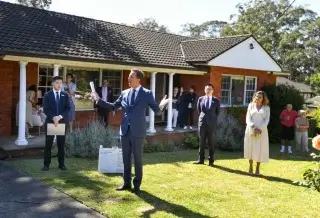 Australia’s Spring Auctions Rise but Remain Well Below 2025
 Number of Foreigners Holding Turkish Residence Permits Exceeds 1.27 Million
 Demand from Russian Tourists for Holidays in Georgia Rises by 20–25%
 Montenegro Property Buying Costs in 2026
 Four in Ten Companies Would Not Choose Slovakia
Singapore Extends Relaxed Rental Occupancy Rules

Extension of Temporary Rental Relief Measures
Singapore authorities have announced a two-year extension of the temporary relaxation of rental occupancy limits, pushing the measure to December 31, 2028. The policy applies to larger public housing flats and qualifying private residential properties and is designed to support households seeking rental accommodation amid sustained demand. The decision was confirmed in a joint statement by the Housing and Development Board and the Urban Redevelopment Authority on January 16, 2026.
What the Policy Allows
Under the extended framework, owners of four-room or larger HDB flats and private homes with a minimum floor area of 90 square metres may continue to house up to eight unrelated tenants, compared with the standard cap of six. The measure was first introduced on January 22, 2024, as a temporary response to tight rental conditions and was originally due to lapse at the end of 2026.
Rental Supply and Market Conditions
The extension comes as housing supply continues to recover. Authorities noted that close to 100,000 public and private homes were completed between 2023 and 2025, with an additional 21,000 units expected in 2026. Despite this, overall rental demand remains strong, particularly in the private sector, keeping pressure on rents and limiting the pace of market cooling.
Analysts’ Views and Rent Dynamics
Property analysts suggest that maintaining the relaxed occupancy cap could help moderate rental growth. Data from Huttons show that in 2025, more than 91,000 private homes and 39,000 HDB flats were rented out, marking increases from the previous year. Private residential rents rose for five consecutive quarters from the second quarter of 2024 through the third quarter of 2025, underscoring the tightness of the market despite improving supply.
Social Impact and Practical Challenges
The authorities and market observers note that the policy is particularly beneficial for lower-income households, students and foreign workers, for whom shared accommodation is often the most viable option. However, higher occupancy levels can also create challenges, including increased noise and heavier use of shared facilities. Regulators have stressed that approvals may be revoked if serious disamenities arise.
Oversight and Future Review
Owners and tenants remain subject to approval and registration requirements through HDB and URA platforms, and all parties must comply with the occupancy rules. The authorities stated that they will continue to monitor rental market conditions closely and will review whether further extensions are necessary beyond 2028.
Expert Insight from International Investment:
As reported by International Investment experts, Singapore’s decision to extend relaxed rental occupancy rules highlights a flexible regulatory response to sustained rental demand and may help stabilise the market in the near term, though long-term balance will depend on sustained housing supply growth.