

Svaneti's Tourism Potential: Promotion Challenges and Low Visitor Spending Power
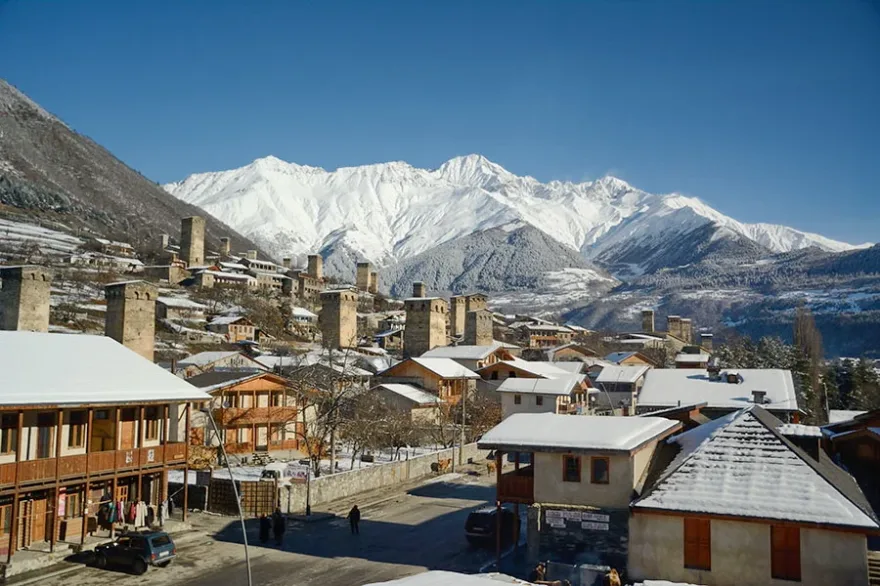
Although Svaneti holds significant potential for attracting tourists across all four seasons, the region's hospitality sector faces numerous challenges: insufficient state-level promotion, a shrinking share of European guests, and reduced tourist purchasing power are impacting hotel revenues and pricing strategies.
Lack of State-Led Promotion and Prospects for Winter Resorts
Unlocking Svaneti's tourism potential depends on more than just natural landscapes and infrastructure development. Regional hospitality stakeholders point out the scarcity of government marketing support, emphasizing that positioning Svaneti—especially its winter resorts—on the international travel market requires a much more proactive campaign. According to Ana Girgvliani, an owner of a hotel in Mestia, sufficient promotional efforts for Svaneti are noticeably absent. She notes that while the region is capable of welcoming tourists in all four seasons, developing winter tourism demands dedicated focus. In remarks to the media, Girgvliani highlighted that state-sponsored ad campaigns and promotional videos featuring Svaneti are practically non-existent. She also drew attention to the stark contrast between the large-scale tourism marketing conducted for Adjara and the approach taken toward Svaneti. In her view, the successful promotion of Adjara's summer offerings was crucial, yet similar support is essential for Svaneti, especially considering the region boasts two new and significant ski resorts.
The Four-Season Tourism Model: An Untapped Opportunity
In Girgvliani's assessment, Svaneti's key competitive advantage lies in its natural diversity and multifaceted seasonal offerings. The region can provide visitors with both winter sports activities and summer ecotourism or outdoor leisure. The hotelier noted that Svaneti is already an established destination to a certain degree during the summer, whereas awareness of its winter resorts remains quite low. Consequently, popularizing winter travel products presents an opportunity not only to boost seasonal occupancy but also to stabilize hospitality operations throughout the entire year. She believes Svaneti possesses the resources to evolve into a year-round destination, provided there is a targeted marketing strategy and an emphasis on raising international brand recognition.
Visitor Numbers Rise, Yet Purchasing Power Remains an Issue
Another major challenge for the hotel business is the shifting purchasing power of travelers. Ana Girgvliani stated that guest demographics have recently shifted: the share of European tourists has declined, while the proportion of budget-conscious travelers in the market has grown. In terms of sheer visitor volume, she reported an active past season. Starting in late May and running through the end of September, the hotel hosted numerous guests, yet this footfall did not translate into a proportional increase in revenue. Girgvliani explained that although the hotel kept room rates on Booking unchanged compared to prior periods, arriving visitors found the listed prices difficult to afford. As a result, the owner had to offer discounts to retain clientele.
"I do not know whether this stems from an inability to pay or an unwillingness, but that was the reality," the hotelier observed.
The Main Industry Hurdle: Moving from Volume to Profitability
Svaneti's experience illustrates a key dynamic in the tourism industry: an increase in visitor numbers does not automatically guarantee higher revenue or improved hospitality profit margins. For a destination to achieve true economic viability, it requires not merely footfall growth, but visitors with solid spending power, higher average expenditures, steady hotel occupancy, and a reduction in seasonality swings.
Planning to buy property abroad?
Discuss the country, budget and goals with a consultant.