













EU Delays ETIAS Launch Due to Problems with EES Border Control System
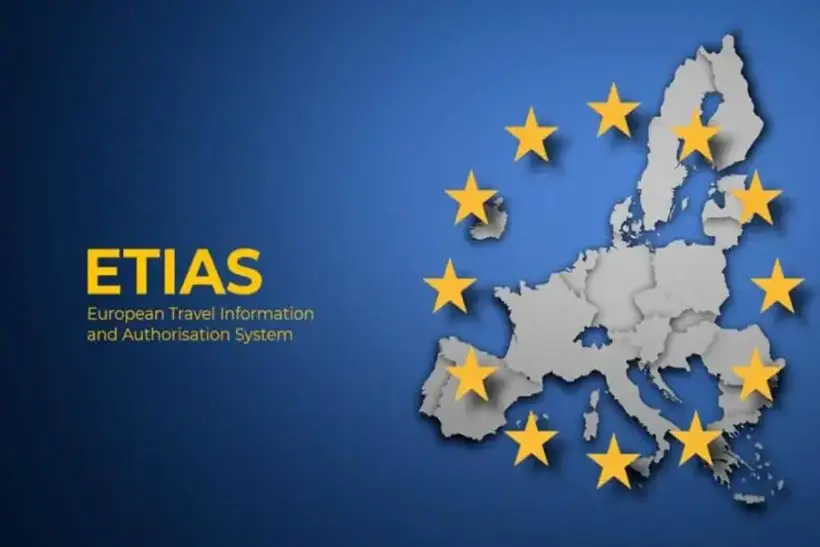
The European Union is delaying the launch of the European Travel Information and Authorisation System (ETIAS), which will require citizens of visa-free countries to obtain electronic travel authorization before entering the Schengen Area. The delay is linked to technical problems with the already operating Entry/Exit System (EES), the Financial Times reports.
What will happen with ETIAS
EU-Lisa, the agency responsible for developing and implementing ETIAS, has concluded that the system cannot be launched by the end of 2026 as originally planned. The agency discussed a possible postponement in mid-June and plans to revisit the issue in September to agree on an updated timetable. After ETIAS testing is completed, the European Commission will make the final decision on the new launch date.
Experts note that the system still requires technical improvements. They argue that problems with the Entry/Exit System (EES) should be resolved first before introducing another digital mechanism that could increase pressure on border authorities.
European Commissioner for Internal Affairs Magnus Brunner said in a letter to airline executives that delays are caused not only by EES-related issues but also by shortages of staff and infrastructure in some EU countries.
The European Union decided to establish ETIAS in 2018. The system is designed for citizens of countries whose nationals do not need a Schengen visa for short-term travel. Before their trip, travelers will have to apply for electronic authorization and pay a €20 fee. Their data will then be automatically checked against European security and migration databases. The previous official deadline for launching ETIAS was the end of 2026.
What is happening with the EES system
The Entry/Exit System (EES) was developed over eight years to address weaknesses in border controls identified after the terrorist attacks in Brussels and Paris in 2015 and 2016.
Its implementation was delayed several times. The system was partially launched in October 2025 and became fully operational in April 2026. It replaced passport stamps with electronic registration of border crossings. During the first entry into the Schengen Area, citizens of non-EU countries have their photographs taken and fingerprints collected. Their biometric data is then used for subsequent border crossings.
The International Air Transport Association (IATA) reported delays and missed connections in Portugal, Spain, Italy, Greece and Belgium. Ryanair warned about long queues at airports in popular tourist destinations, including Alicante, Malaga and Palma. One of the most problematic areas remains the operation of French technologies on the Eurotunnel route.
France has invested more than €93 million in infrastructure, but not all planned solutions have been implemented. In particular, a system that would allow border officers to use tablets to verify passengers’ and drivers’ fingerprints and facial images directly has not yet been launched. The Frontex mobile application developed for pre-registration of traveler data before departure is fully operational only in Sweden and partially in Portugal.
The largest aviation organizations in the EU have called on the European Commission to temporarily suspend EES during periods of peak pressure at borders. Industry groups warned that the situation could worsen in July and August, when European airports expect around 40 million more passengers compared with previous months. Experts say long queues could create risks for the summer tourism season and affect Europe’s attractiveness as an international travel destination.
Aviation industry calls for temporary EES suspension
Major aviation organizations have urged the European Commission to allow temporary suspension of EES checks during periods of extreme pressure at border crossings.
The appeal was supported by the Airports Council International Europe (ACI Europe), Airlines for Europe (A4E), and the International Air Transport Association (IATA). Industry representatives argue that current procedures are overwhelming airports during the peak summer travel season and require an additional mechanism to manage passenger flows.
The organizations warned that delays at border controls in some airports have reached five hours. Long waiting times have caused passengers to miss boarding deadlines, leading to flight delays and departures with empty seats.
The aviation sector warned that the situation could deteriorate further in July and August, when passenger numbers are expected to rise significantly. According to industry representatives, prolonged queues could damage Europe’s reputation as a tourism and transport hub.
European Commission supports continued EES operation
The Guardian reports that the European Commission has acknowledged shortcomings in the system but rejected calls to suspend EES. According to EU officials, only around 20 out of 1,500 border crossing points have experienced serious difficulties.
Officials said that suspending the system in some countries but not others would create additional problems for travelers. For example, a passenger who enters the Schengen Area through a border where EES is operating but leaves through a crossing without the system could face incorrect calculations of their permitted stay period.
EU representatives say that EES is already delivering the results it was designed to achieve. Since its launch, the system has registered 110 million journeys into and out of the Schengen Area. Around 44,500 people have been refused entry, with the main reasons including insufficient justification for the purpose of travel or stay. Around 9,000 refusals were linked to overstaying the permitted 90 days within any 180-day period.
More than 1,000 people were denied entry because they were considered a threat to internal security, while around 300 were stopped for using fake passports or other fraudulent documents.
The European Commission said it is working with national authorities to resolve problems related to IT systems, process automation and the rollout of the pre-registration application. In Lisbon, queues have already been reduced after additional staff were deployed, while 50 new Frontex border agency officers were assigned to Brussels Airport, officials said. Airports were also reminded that funding is available to hire additional personnel at overloaded border points.