







 US Introduces Visa Bonds of Up to $20,000 for Tourists From 50 Countries
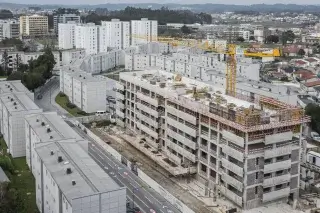 Portugal Secures €1.5 Billion for Social Housing
 Mortgage Lending in Georgia Increased by Nearly 50%
 Irish Homes Are 17% Overvalued as Supply Lags
 Buses from Latvia to Russia and Belarus May Be Cancelled
 Egypt’s Economy Accelerates to 5.1%
Key Foreign Real Estate News Digest (20.05 – 27.05)
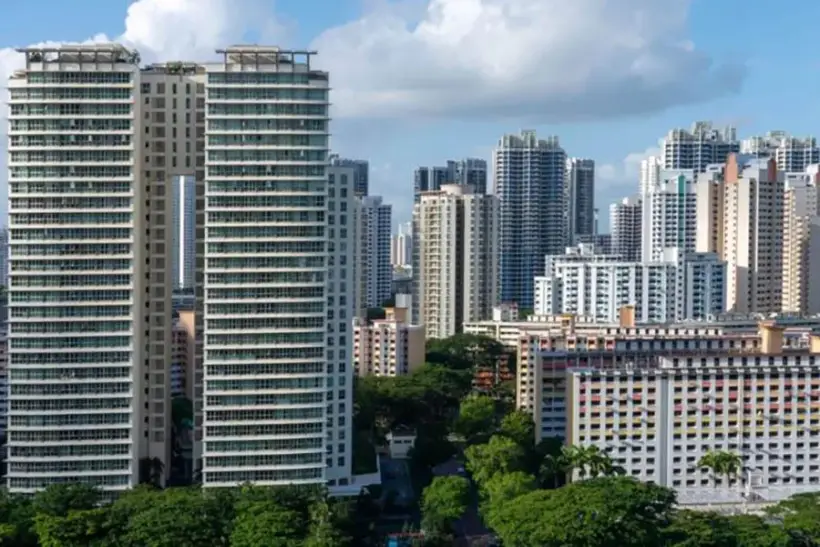
UK politicians are once again debating taxes on the wealthy, despite growing signs of investor outflows already being recorded in London. Singapore is taking an even more aggressive stance against investment-driven demand, aiming to cool prices. Meanwhile, in Bosnia, housing prices continue to rise despite modest rental yields, with no clear guarantee of strong capital appreciation.
Singapore freezes resale of affordable housing
The mandatory holding period for apartments under the state housing program has been extended from 5 to 10 years. For certain housing types, the timeline for full conversion into private ownership has increased to 16 years. The share of units eligible for early resale has been cut from 30% to 10%. In addition, 90% of new developments are reserved for initial buyers.
UK proposes higher taxes for the wealthy again
Capital gains tax rates combined with income tax could rise from 18–24% to 40% and 45%. Proponents estimate the reform could generate up to £12 billion ($15 billion) annually. Additional measures are being discussed to remove preferential tax treatment for investment income.
Premium housing in Bosnia exceeds €5,000 per sq. m
The average price of new apartments in Bosnia and Herzegovina rose by 20.4% over the year, reaching 3,701 convertible marks (€1,890) per sq. m. Transaction volumes in the primary market increased by 59.4%. In the premium segment, prices reach up to 10,000 BAM (€5,100) per sq. m. At the same time, real rental yields remain low at around 2%.
China’s housing market continues to decline
New housing prices in major Chinese cities fell by 2.1% year-on-year. Sales by area dropped by 5.1%. Real estate investment declined by nearly 10%. Further price declines of up to 3.8% and a sales drop of up to 14% are expected in 2026.
US eases rules for large landlords
A proposal requiring institutional investors to sell rental housing after seven years has been removed from the bill. Restrictions on large single-family home owners remain in place, along with continued regulation of the professionally managed rental housing market.
Middle East conflict hits Gulf hotels
Occupancy rates in some hotels across the region have fallen to as low as 20%. Tourist flows are down 11–27% compared to earlier expectations. Tourism losses are estimated at $34–56 billion, with 23–38 million trips not taken. At peak disruption, the World Travel & Tourism Council (WTTC) estimated losses of up to $600 million per day.
International Investment catalog features properties under international hotel management.